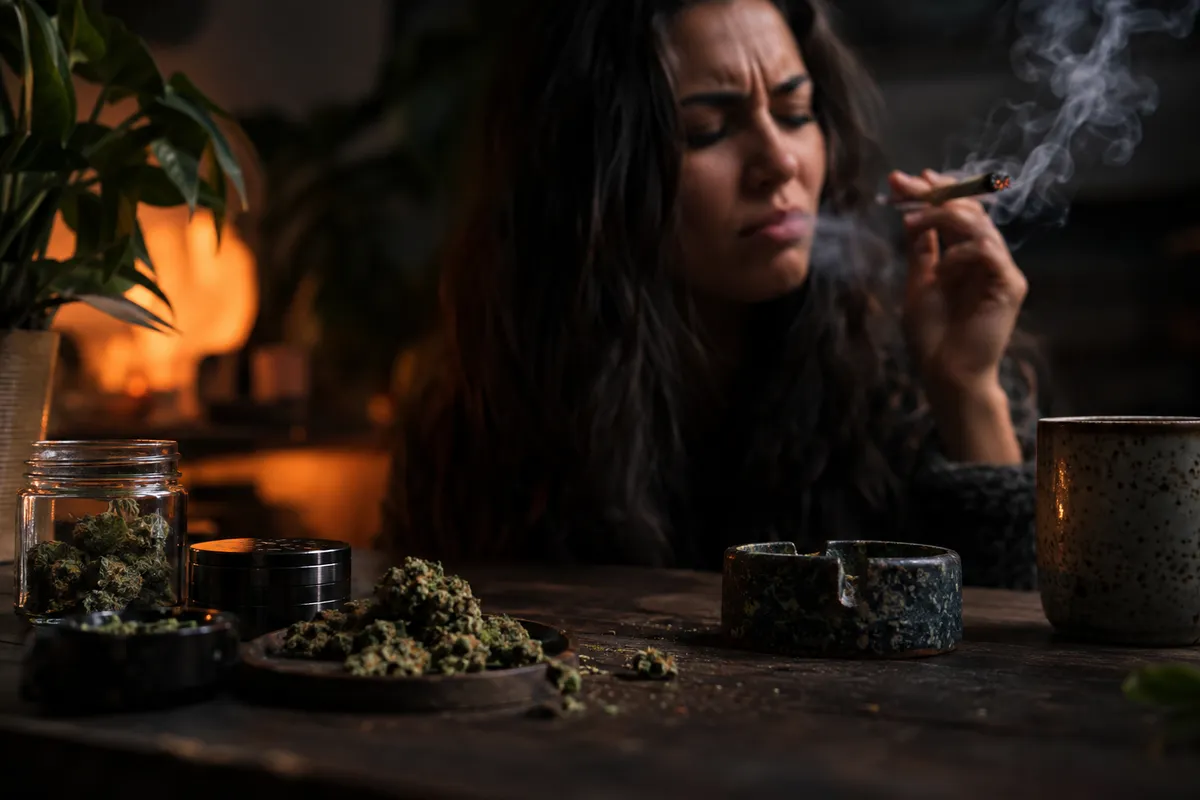
That first puff was supposed to taste citrusy, earthy, or pleasantly funky - not like a campfire roasting an old coffee filter. When weed tastes harsh, it’s tempting to blame the strain, but flavor is also shaped by the flower’s condition, how it’s stored, the equipment you use, and how much heat reaches it. The good news is that you can often identify the culprit without buying a new device or becoming a full-time cannabis detective. Here’s how to separate naturally peppery flavor from a genuinely unpleasant session, troubleshoot the most common causes, and keep useful notes so your next purchase isn’t another round of expensive guesswork.
Why does my weed taste harsh and how can I fix it?
Weed often tastes harsh because the flower is too dry, the temperature is too high, or old residue is overpowering its flavor. Start by checking the flower’s condition, cleaning your equipment, and reducing excessive heat; if you notice mold, an unexpected chemical odor, or questionable product quality, stop using it rather than trying to disguise the problem.
“Harsh” can describe several different experiences: an acrid taste, excessive heat, stale smoke, or a scratchy sensation. Pinning down which one you mean makes troubleshooting much easier.
| What you notice | Possible explanation | Practical next step |
|---|---|---|
| Burnt flavor from the beginning | Excessive heat or dirty equipment | Clean the device and check its settings |
| Dusty, flat, papery flavor | Old or overly dry flower | Check storage and product age |
| Uneven burning or frequent relighting | Uneven grind, packing, moisture, or airflow | Inspect the flower and follow device-loading guidance |
| The same stale taste across different strains | Residue in the mouthpiece, screen, or chamber | Clean compatible parts thoroughly |
| Musty odor, fuzzy growth, or unexpected chemical notes | Possible contamination or a quality problem | Stop using it and contact the retailer |
These are clues, not a diagnostic test. A chemical taste does not prove contamination, and pleasant flavor does not prove a product is free of contaminants.
Also, a peppery strain is not automatically defective. Some cannabis naturally has spicy, woody notes; our guide to beta-caryophyllene’s peppery flavor explains one reason. Distinctive flavor and an aggressively burnt taste are different things.
Better flower storage preserves better flavor
Storage can turn aromatic flower into something that tastes disappointingly flat. Exposure to air, warmth, and light changes cannabis over time, while excessive dryness can make flower crumble into dust and burn quickly.
Start with a quick inspection. Does the flower retain some structure when gently handled, or does it disintegrate immediately? Does it smell recognizable and distinct, or mostly like dry hay? These observations won’t establish quality on their own, but they can help explain why a once-enjoyable batch now tastes different.
For everyday storage:
- Use a well-sealed container. Appropriately sized glass jars are a common choice.
- Keep it cool and dark. Avoid sunny windowsills, hot cars, and shelves above heat-producing appliances.
- Limit unnecessary opening. Constantly checking the aroma also repeatedly exchanges the air inside.
- Keep products separate. Mixing batches makes it harder to track freshness or identify an off-tasting purchase.
A cannabis-specific humidity pack can help stabilize moisture when used as directed. Packs around 58–62% relative humidity are commonly used for flower, though preferences and product requirements vary. They cannot restore lost aromatic compounds, finish an inadequate cure, or make questionable flower suitable to use.
Skip orange peels, bread, and other DIY moisture tricks. They introduce uncontrolled moisture and foreign material into the container.
Finally, don’t assume every disappointing batch needs more time in a jar. Drying and curing are producer-controlled processes; home storage is not a reliable fix for poorly processed flower.
Excess heat can overwhelm the flavor
Cannabis flavor depends partly on aromatic compounds, including terpenes, and excessive heat can quickly bury those nuances under toasted or burnt notes. Combustion also produces smoke with its own strong taste, so even excellent flower won’t taste exactly like it smells in the jar.
The useful adjustment depends on your consumption method.
Dry-herb vaporizers
Check the manufacturer’s recommended operating range and begin toward its lower end rather than immediately selecting the highest setting. Move gradually if needed, keeping the flower and other variables consistent.
Temperature displays are not perfectly comparable between devices. A setting that tastes balanced in one vaporizer may taste noticeably different in another because heater design, airflow, and temperature measurement vary.
Flavor also changes throughout a session. Fresh, aromatic notes often give way to toasted ones as the material is used. Turning up the heat repeatedly won’t bring the original flavor back.
Combustion methods
Prolonged direct flame can add an especially scorched taste. Avoid unnecessarily keeping a flame on material that is already burning, and recognize that repeatedly relighting a mostly spent bowl may deliver more char than flavor.
There is no technique that makes smoke harmless. A cooler or less harsh sensation is not evidence of lower exposure to harmful substances.
Cartridges and concentrates
Use compatible equipment and the product manufacturer’s recommended settings. An unexpectedly burnt cartridge taste can indicate a device or wicking problem; don’t keep increasing power to troubleshoot it.
Across methods, the rule is simple: if everything tastes scorched, check the heat before blaming every strain in your stash.
Clean equipment keeps yesterday out of today’s session
Old residue has a talent for making different strains taste remarkably similar - and not in a good way. A dirty mouthpiece, clogged screen, resin-coated bowl, or neglected water chamber can contribute stale flavors that overshadow fresh flower.
Before replacing your stash, inspect the parts that contact the material or the smoke or vapor path. Look for sticky buildup, restricted openings, and debris around screens. A clean-looking exterior doesn’t tell you much about the inside.
A practical maintenance routine includes:
- Let equipment cool and disconnect power. Follow any additional manufacturer instructions before disassembly.
- Remove loose debris. Empty spent material rather than leaving it in the chamber between sessions.
- Clean only with compatible products. Glass, silicone, plastic, seals, and electronics may require different approaches.
- Rinse where instructed and dry completely. Never heat or use equipment while cleaning solvent remains.
- Check replaceable components. Damaged screens, seals, or mouthpieces may need replacement rather than another scrub.
For water-based pieces, replace old water and clean the vessel regularly. Fragrances, essential oils, and improvised additives are not substitutes for maintenance and may introduce substances not intended for inhalation.
Remember that water changing the temperature or feel of smoke does not establish that it is safe.
If several unrelated products suddenly share the same unpleasant flavor, the equipment deserves particular attention. Your glass should not have a permanent house blend.
Change one variable and keep useful notes
The fastest way to make troubleshooting confusing is to change everything at once. New flower, freshly cleaned equipment, a different temperature, and a different packing style might produce a better session - but you won’t know which change mattered.
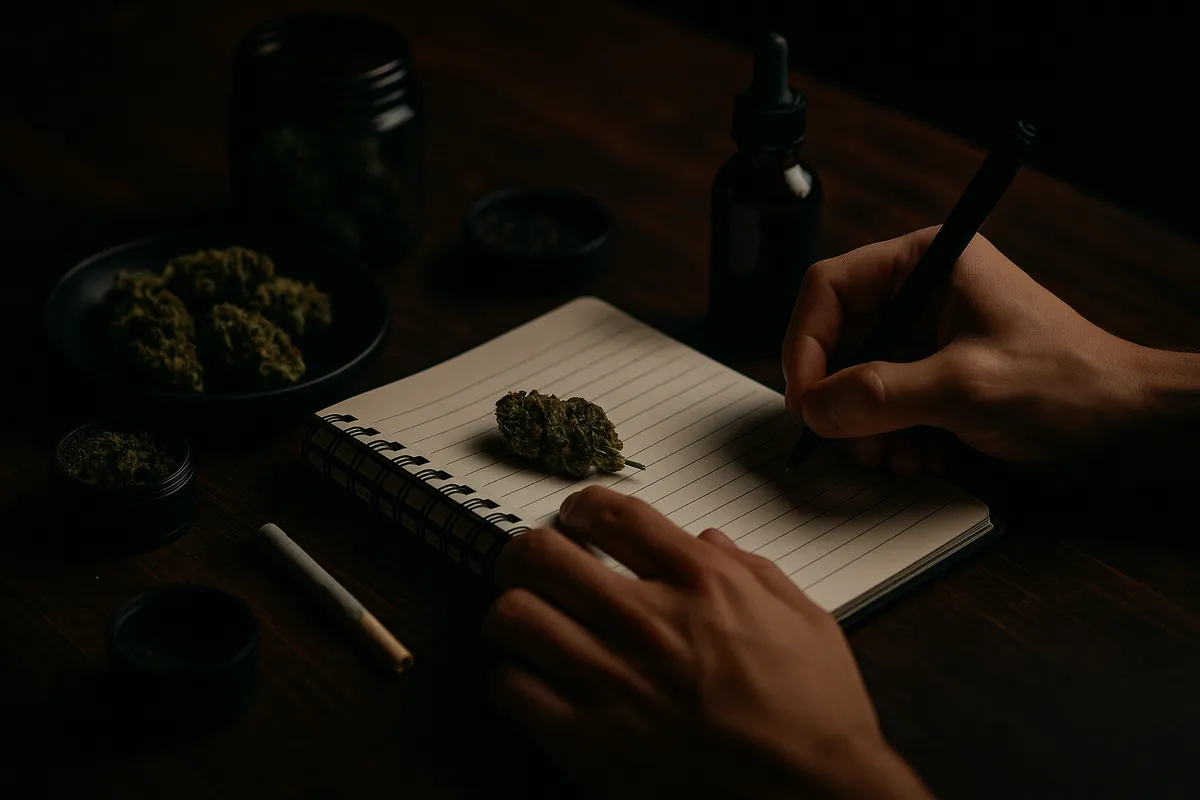
Instead, treat flavor troubleshooting as a small comparison, not a reason to consume more. Make one adjustment during a session you already planned, and record what you noticed. There’s no need to finish an unpleasant session for the sake of collecting data.
Useful notes include:
- Product: Brand, strain name, batch identifier, and package date when available.
- Condition: Aroma, texture, storage container, and approximate time since opening.
- Method: Device, temperature setting if applicable, and whether it was recently cleaned.
- Flavor timing: Unpleasant immediately, halfway through, or only near the end.
- Flavor description: Peppery, papery, stale, burnt, musty, or something else.
“Bad” is understandable. “Papery from the first draw, flower crumbled easily, jar open for six weeks” is actionable.
DankLog’s session logging gives those details a place to live, making it easier to compare methods and notes without relying on memory. For product-specific patterns, strain tracking can help organize favorites, terpene notes, and stash history.
Compare batches as well as strain names. Two packages with the same name may differ in age, handling, and production. If one purchase tastes off while others do not, keep the packaging and ask the retailer about that specific batch rather than writing off the entire strain.
Better flavor starts with the basics
When weed tastes harsh, start with the simplest checks: inspect the flower, review its storage, clean your equipment, and check for excessive heat. Make one change at a time, and remember that naturally spicy flavor is different from stale, scorched, or suspiciously off-tasting material.
Don’t try to rescue flower that appears moldy, and don’t treat smoothness as proof of safety. Sometimes the right fix is returning or discarding a questionable product, not finding a clever workaround.
A few notes can make future choices less random. With DankLog’s session logging and strain tracking, you can keep track of the products, settings, and storage habits you actually enjoyed - and leave the burnt-coffee-filter experience out of your repeat rotation.