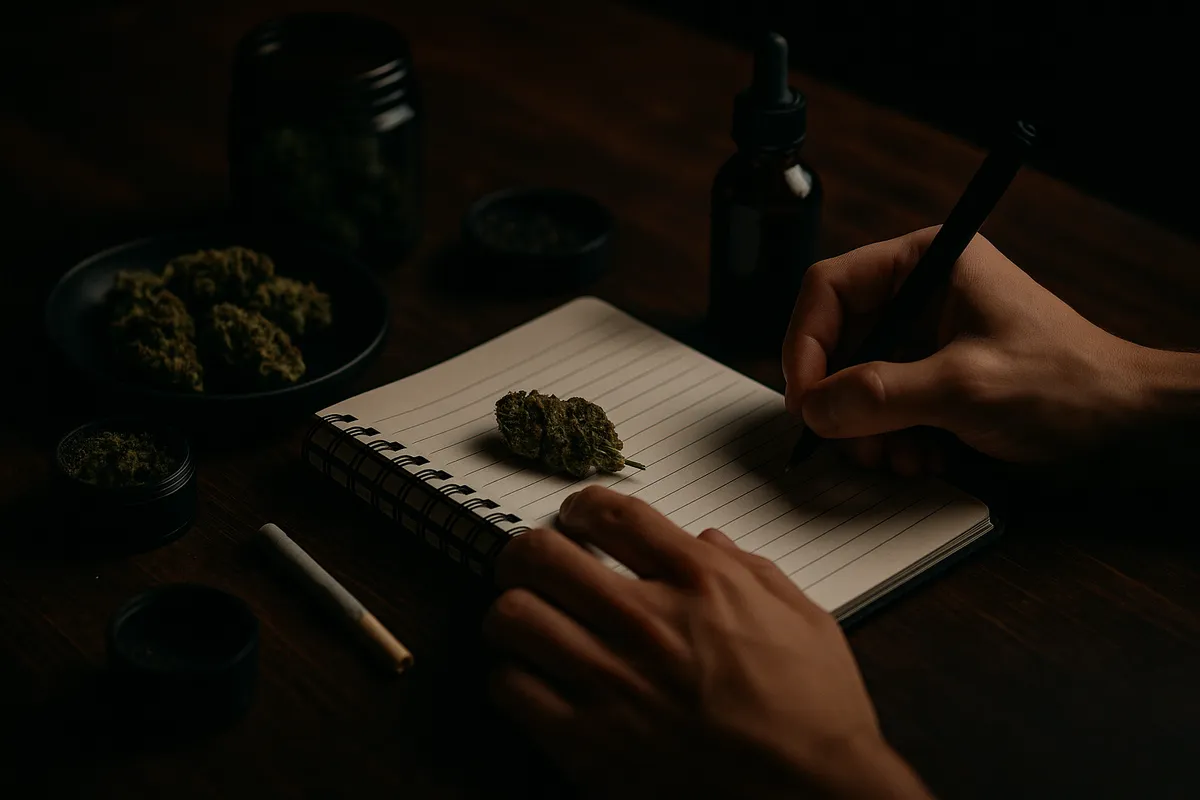
Creating a cannabis consumption journal is like giving your experience a personal touch, turning casual sessions into insightful adventures. Whether you’re exploring various strains or simply trying to understand how cannabis affects your mood and body, a consistent journaling practice can be your secret weapon. Not only does it enhance your experience, but it also helps you identify patterns, manage your tolerance, and discover what really works for you. So, let’s roll up our sleeves and dive into how to create a cannabis consumption journal that optimizes your tracking!
How do I create a cannabis consumption journal?
Creating a cannabis consumption journal is simple and involves three key steps: choose your format, establish what to track, and develop a consistent logging routine. Whether you prefer digital or analog methods, a journal allows you to monitor your experiences and refine your cannabis journey. Ready to get started? Let’s break it down!
Step 1: Choose Your Format
The format of your cannabis journal can significantly impact your tracking experience. Here are a few popular options to consider:
| Format | Pros | Cons |
|---|---|---|
| Digital | Easy to edit, search, and organize | Requires a device; may lack personal touch |
| Paper | Tangible, creative, and allows for free expression | Can be harder to organize and search |
| Apps | Convenient, often includes tracking features | May require internet access, limited customization |
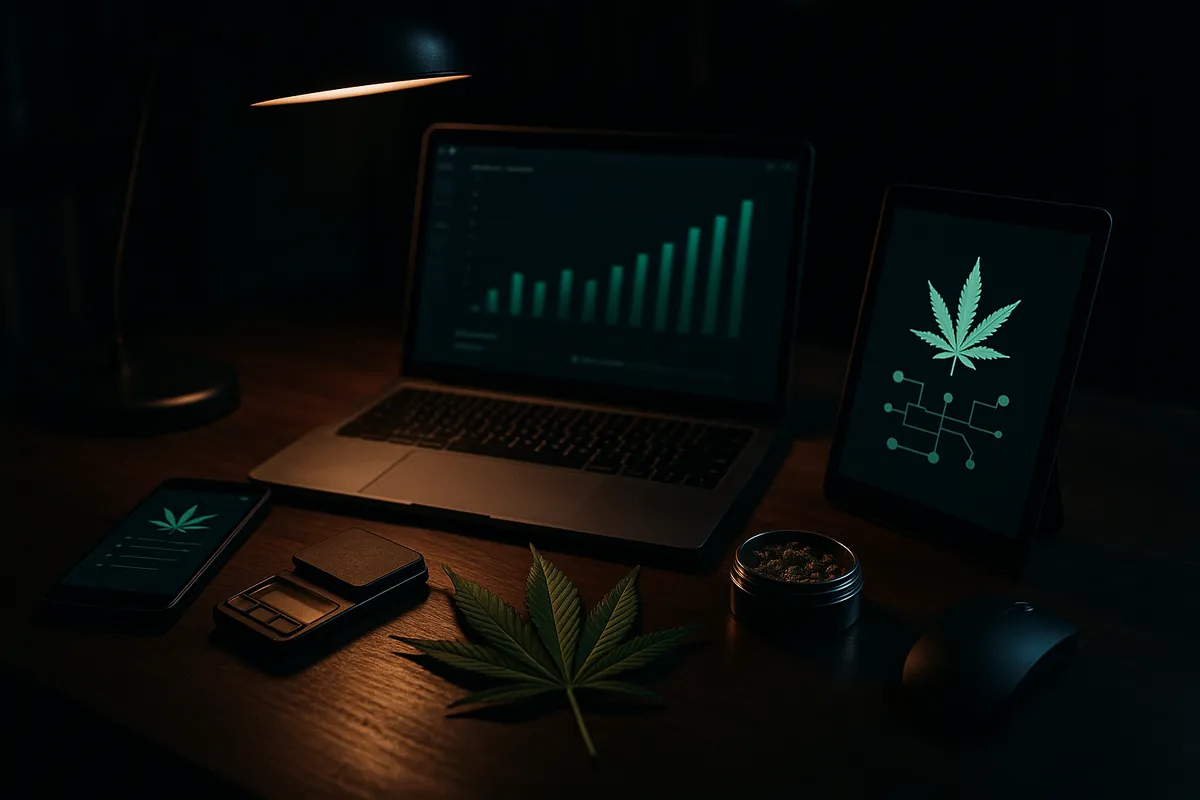
Digital tools like apps can simplify the tracking process, especially if you’re using features that log sessions automatically or allow for easy notes. Alternatively, a classic notebook can bring a sense of craftsmanship and creativity to your journaling, letting you express your thoughts freely. Whichever format you choose, make sure it suits your lifestyle and preferences.
Step 2: What to Track
Now that you’ve chosen your format, it’s time to decide what to track in your journal. A well-rounded cannabis consumption journal should include the following elements:
-
Date and Time: Log when you consumed cannabis to identify patterns related to time of day.
-
Strain Information: Note the strain name, THC/CBD content, and any specific terpenes you’re curious about. This can help you pinpoint what effects you prefer.
-
Consumption Method: Record how you ingested your cannabis—whether it was by smoking, vaping, or through edibles. Different methods can produce varying effects.
-
Dose: Track how much cannabis you consumed. Keeping a record of dosages can help you manage tolerance and prevent overconsumption.
-
Effects: Reflect on the effects you experienced. Consider categories like relaxation, creativity, focus, or anxiety relief. A simple rating system (1-10) can also be beneficial.
-
Mood and Environment: Jot down your mood before and after consumption and any environmental factors that may influence your experience, such as your setting or company.
-
Notes: Include any other observations or thoughts that come to mind. This could be anything from how the strain made you feel physically to what you were doing during your session.
By capturing these details, you create a comprehensive overview of your cannabis consumption, making it easier to identify patterns that suit your lifestyle.
Step 3: Develop a Consistent Logging Routine
Now that you know what to track, it’s time to establish a routine for logging your entries. Consistency is key! Here are some tips to make journaling a habit:
-
Set a Reminder: Schedule a time after each session to log your experiences. You might pick a specific time each day or week that fits your routine.
-
Make It Enjoyable: Incorporate journaling into your ritual. Maybe light a candle, sip your favorite beverage, or put on some music to create a conducive atmosphere.
-
Use Prompts: Sometimes, a little inspiration goes a long way. Create prompts to guide your entries, such as “What was the highlight of my session?” or “How did the strain affect my productivity?”
By establishing a routine, you’ll find that logging becomes second nature, allowing you to gain deeper insights into your cannabis consumption.
Bonus Tips: Utilizing Technology
If you’re tech-savvy, consider leveraging cannabis tracking apps to enhance your journaling experience. For instance, DankLog offers a session logging feature that allows you to easily log your cannabis sessions, note your dosages, and reflect on the effects. You can even track your strain history, discovering patterns and preferences over time.
Moreover, the smart recommendations feature can suggest strains based on your previous choices, making it easier to find what aligns with your desired effects.
Conclusion
Creating a cannabis consumption journal is an effective way to enhance your cannabis experience while gaining valuable insights into your preferences and patterns. By choosing the right format, tracking key details, and developing a consistent logging routine, you empower yourself to make informed decisions that align with your goals.
Whether you’re looking to manage your tolerance, optimize your strain selection, or simply enjoy the art of journaling, your cannabis journal can become a trusted companion on your journey. And don’t forget, with tools like DankLog, you can take your tracking to the next level and discover the nuanced relationship between cannabis and your life. Happy journaling!