Sous Vide Decarb: How Does the Water Bath Method Compare?
Sous vide decarboxylation is a game-changing method that utilizes precise temperature control to activate cannabinoids in cannabis. This process is often compared to traditional decarb methods like the oven, but how does the water bath method really stack up? Well, in a nutshell, the sous vide technique allows for consistent results, preserves terpenes, and prevents the risk of burning your precious flower.
Intrigued? Let’s dive deeper into the world of sous vide decarb and see how it measures up against conventional methods.
What Is Decarboxylation and Why Does It Matter?
Before we get into the nitty-gritty of sous vide decarb, let’s clarify what decarboxylation actually is. This chemical process transforms THCA (tetrahydrocannabinolic acid) into THC (tetrahydrocannabinol), the compound responsible for the psychoactive effects of cannabis. Without decarbing, your edibles and tinctures might miss the mark entirely, leaving you with underwhelming results.
Conventional Decarb Methods: The Basics
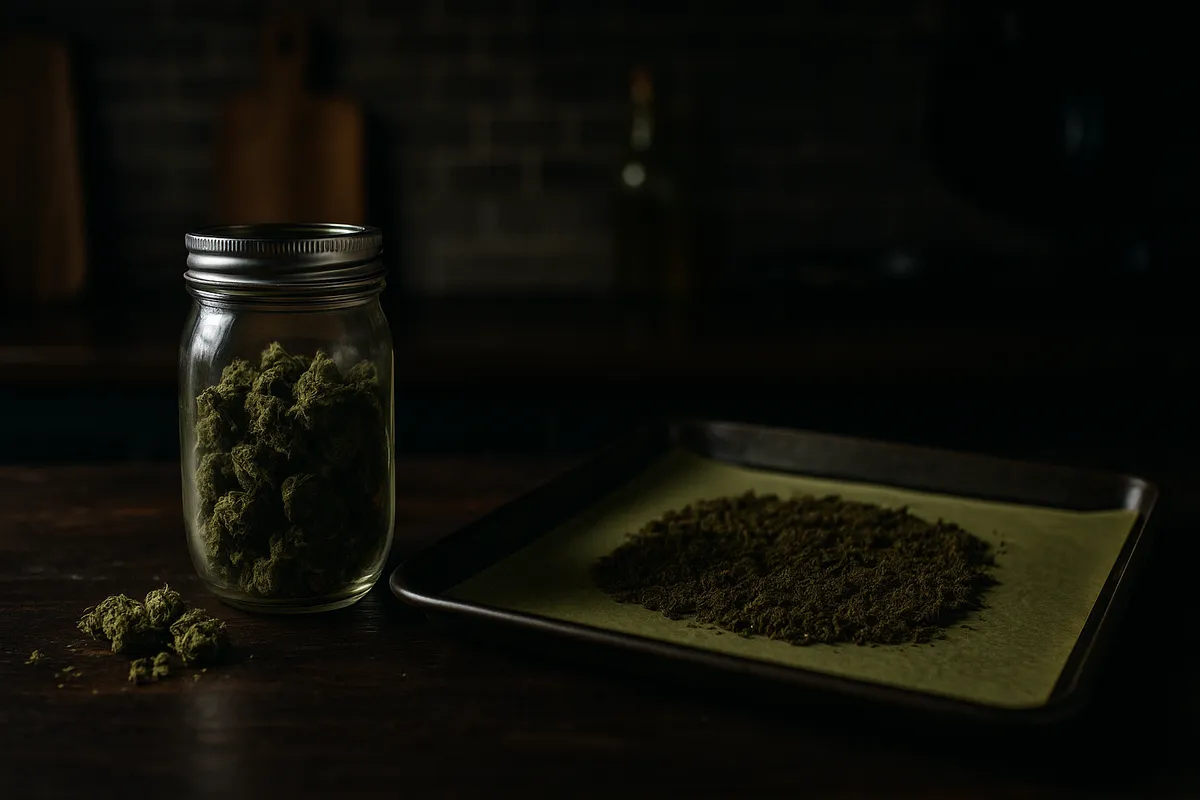
Most people are familiar with the traditional oven method for decarboxylating cannabis. Here’s a quick rundown of how it works:
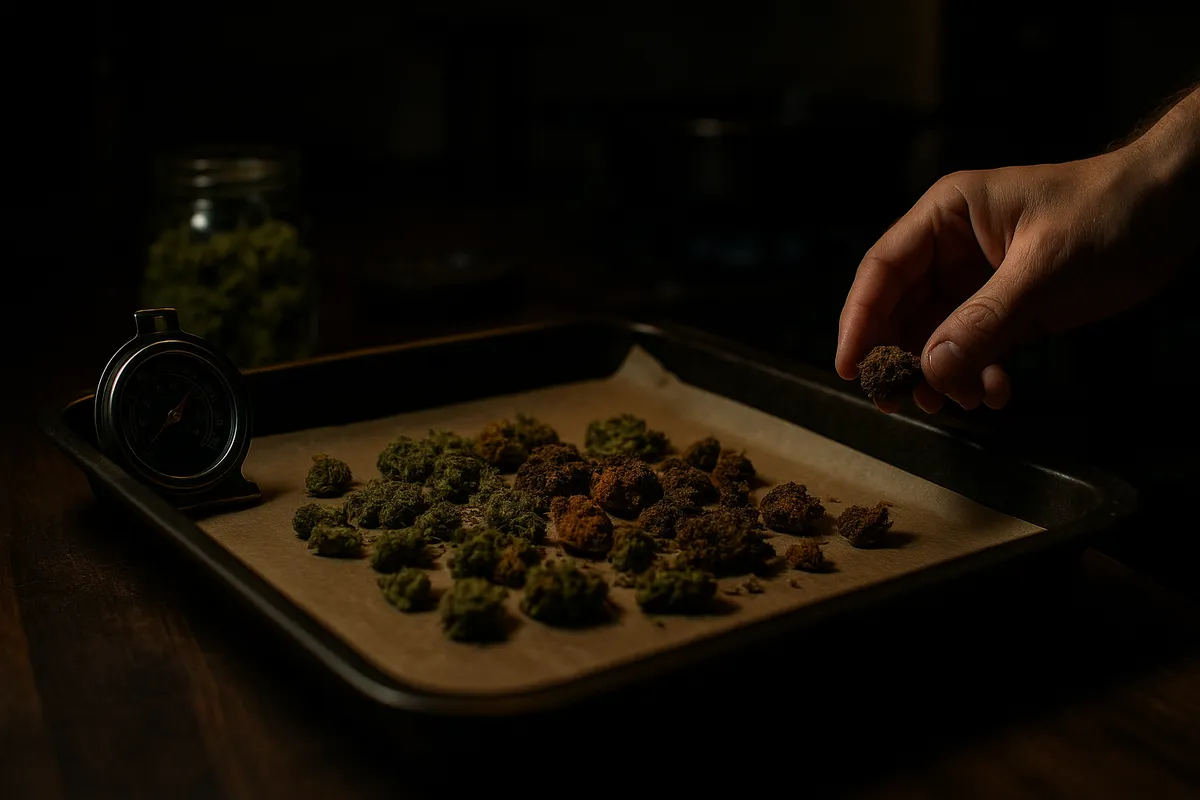
- Preheat the oven: Typically to around 240°F (115°C).
- Spread out the cannabis: On a baking sheet lined with parchment paper.
- Bake: For about 30-40 minutes, stirring occasionally to ensure even heating.
While this method is straightforward, it comes with its drawbacks, including potential loss of terpenes, uneven heating, and the risk of burning your stash.
| Method | Pros | Cons |
|---|---|---|
| Oven Decarb | Easy, common method | Oxygen exposure, risk of burning, loss of terpenes |
| Sous Vide Decarb | Precise, preserves terpenes | Requires sous vide equipment, more preparation time |
The Sous Vide Method: A Closer Look
So, what sets sous vide decarb apart? Below are the key elements that make this method stand out from the rest:
Precision Temperature Control
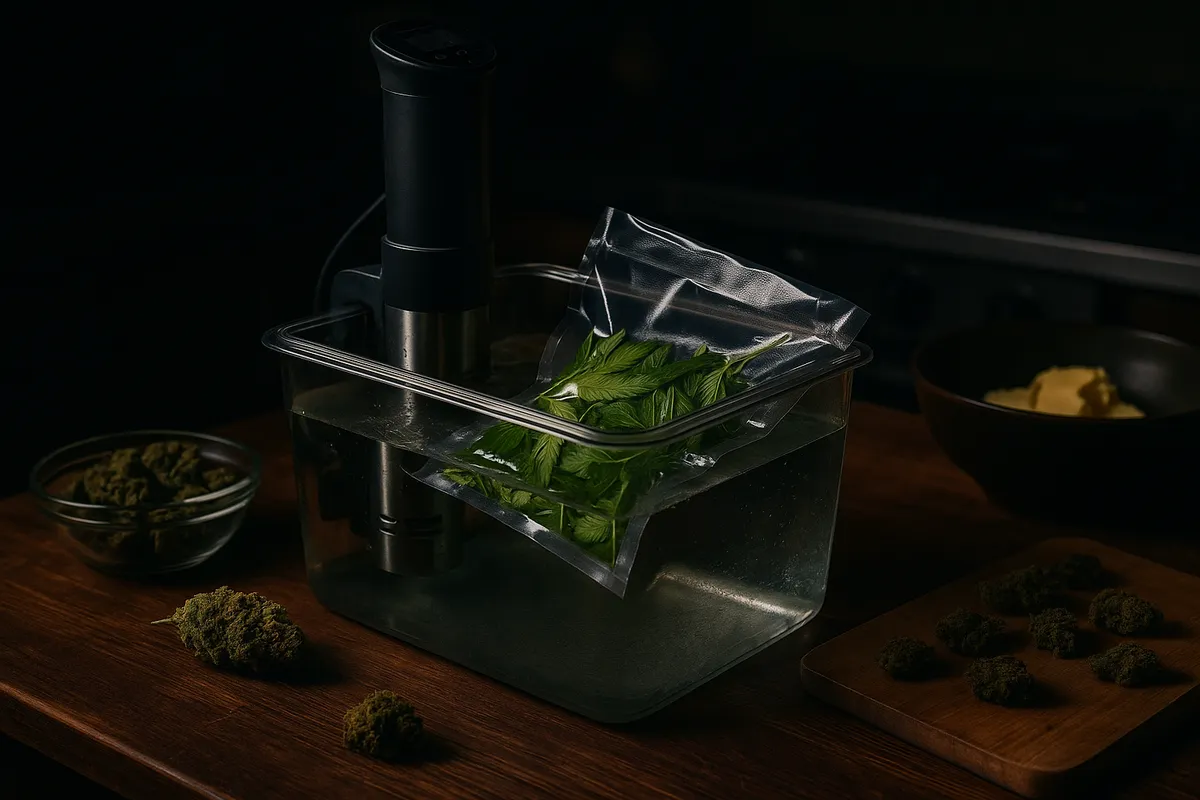
Sous vide, which translates to “under vacuum” in French, involves sealing your cannabis in a vacuum pouch and immersing it in a water bath at a precise temperature. This allows for unprecedented accuracy, meaning you can decarb your cannabis without worrying about overheating.
Terpene Preservation
One of the greatest advantages of sous vide decarb is that it helps to preserve the delicate terpenes in your cannabis. Terpenes have a significant impact on the flavor and aroma of your final product. Traditional methods often lead to terpene loss due to high heat and prolonged cooking times. With sous vide, you can maintain those lovely compounds that contribute to your strain’s unique qualities.
Consistent Results
Using sous vide ensures that your cannabis is evenly heated throughout, leading to a consistent decarb every time. Say goodbye to the dreaded “hot spots” in your oven that can ruin your batch!
How to Decarb Cannabis Using Sous Vide
Ready to give sous vide decarb a whirl? Here’s a simple step-by-step guide:
-
Prepare Your Equipment: You’ll need a sous vide immersion circulator, vacuum sealer or zip-top bag, and a pot or container for the water bath.
-
Decarb Temperature and Duration:
- THC Activation: Set your sous vide to 190°F (88°C) for 90 minutes.
- CBD Activation: A water bath tops out below 212°F (100°C), well under the 245-250°F that the decarb temperature chart gives for CBD. CBDA converts more slowly than THCA (Wang et al. 2016), so CBD-dominant flower is more reliable in the oven.
-
Vacuum Seal Your Cannabis: If using a vacuum sealer, seal the cannabis securely in a bag. If using a zip-top bag, use the water displacement method to remove air.
-
Water Bath: Immerse the sealed bag into the preheated water bath, ensuring it’s fully submerged.
-
Cool and Store: After the timer goes off, carefully remove the bag, let it cool, and then store your decarbed cannabis in an airtight container.
Making the Most of Your Decarbed Cannabis
Now that you’ve unlocked the psychoactive potential of your cannabis, you might be wondering how to use it effectively. Here are a few ideas:
-
Cooking Edibles: Use your decarbed cannabis in recipes for oils, butter, and baked goods. Check out our edible recipes feature for inspiration!
-
Tinctures: Infusing alcohol or oils with your decarbed cannabis can enhance your homemade tinctures, allowing for a quicker onset and a more controlled dosage.
-
Capsules: For those who prefer a no-fuss approach, consider making capsules with your decarbed cannabis for easy consumption.
Conclusion
Sous vide decarboxylation is a fantastic alternative to traditional methods for activating the cannabinoids in your cannabis. Not only does it offer precision and consistency, but it also helps retain the terpene profile that makes strains unique. Whichever method you choose, tracking your cannabis consumption with DankLog can help you monitor your experiences, effects, and preferences. Plus, with features like the session logging and strain tracking, you’ll be equipped to optimize your cannabis journey every step of the way. Happy decarbing!