If you’re delving into the world of cannabis cooking, you’ve probably stumbled across the term “decarboxylation” or “decarb.” It sounds complex, but it refers to a simple yet crucial process that activates the psychoactive compounds in cannabis. So, what happens if you skip decarb? Spoiler alert: your edibles may not hit the way you’re expecting! Let’s break down the science and practical implications.
What Happens If You Skip Decarb?
If you skip decarboxylation, your cannabis won’t give you the effects you’re likely craving. Raw cannabis contains primarily THCA (tetrahydrocannabinolic acid) and CBDA (cannabidiolic acid), which don’t produce the psychoactive effects associated with THC and CBD. Without decarbing, everything you cook with will taste great, but you won’t be feeling any of the benefits—at least not in the way you’d expect.
Now, let’s explore why this process matters so much and what you can do to maximize your cannabis culinary experience.
Understanding Decarboxylation: The Basics
Decarboxylation is the process of removing a carboxyl group from the cannabis compound, transforming THCA into THC and CBDA into CBD. This activation occurs when you heat the cannabis to a specific temperature over a set period.
Here’s a quick breakdown:
| Cannabis Compound | Raw Form | Activated Form | Psychoactive? |
|---|---|---|---|
| THCA | Yes | THC | Yes |
| CBDA | Yes | CBD | No |
Without heating, you’re left with the acids that don’t have the same effects when ingested. So, let’s explore the “why” behind decarb in more detail.
The Science Behind Decarboxylation
When you heat cannabis, you’re essentially triggering a chemical reaction. Here’s how the magic happens:
-
Heat Activation: As cannabis is heated, it undergoes a transformation. The heat causes THCA and CBDA to lose their carboxyl group, turning them into the more familiar THC and CBD.
-
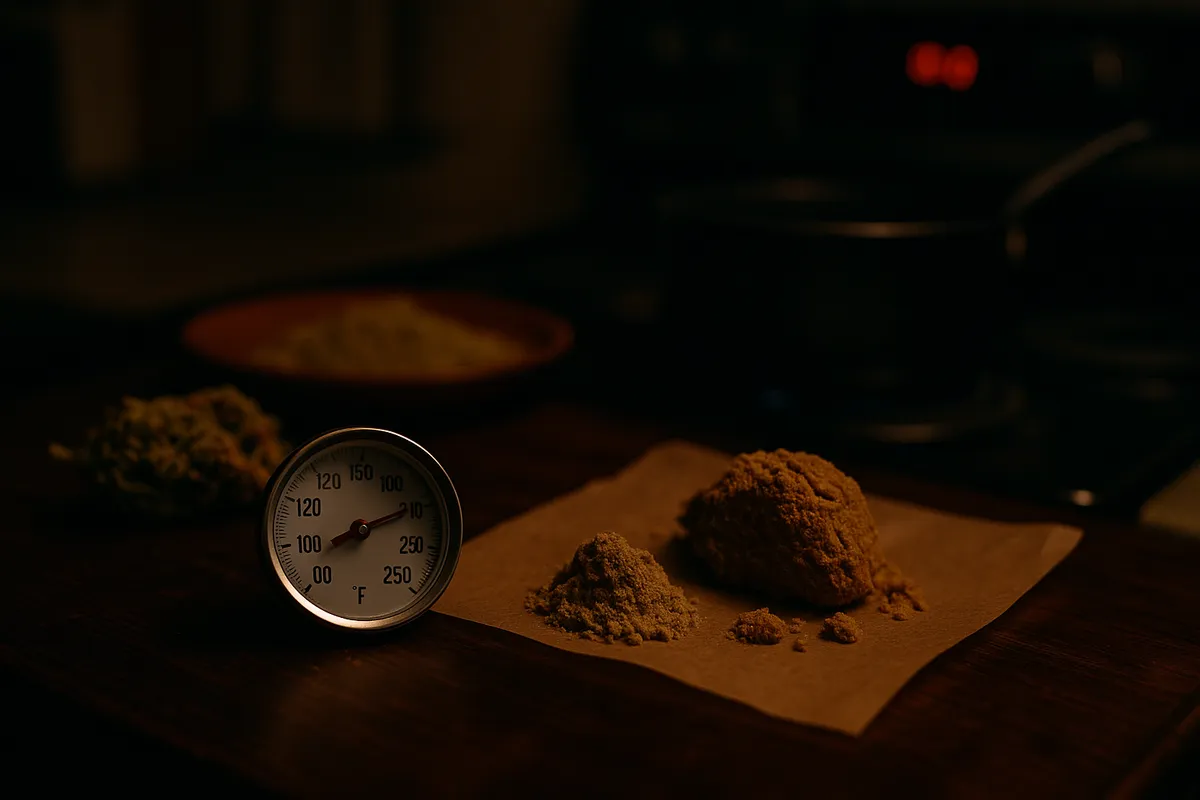
Temperature and Time Matters: The optimal decarb temperature is around 220°F (104°C) for about 30 to 45 minutes. Too low, and you won’t fully activate the compounds; too high, and you risk losing potency through combustion.
-
Flavor Enhancement: Decarboxylation doesn’t just activate the cannabinoids; it also helps bring out the unique flavors of the terpenes present in cannabis. By decarbing, you’re enhancing not only the effects but also the taste of your edibles.
How to Decarb Your Cannabis Properly
Now that you know why decarbing is essential, let’s look at how to do it. Here’s a simple step-by-step process to get it right:
-
Preheat Your Oven: Set it to 220°F (104°C).
-
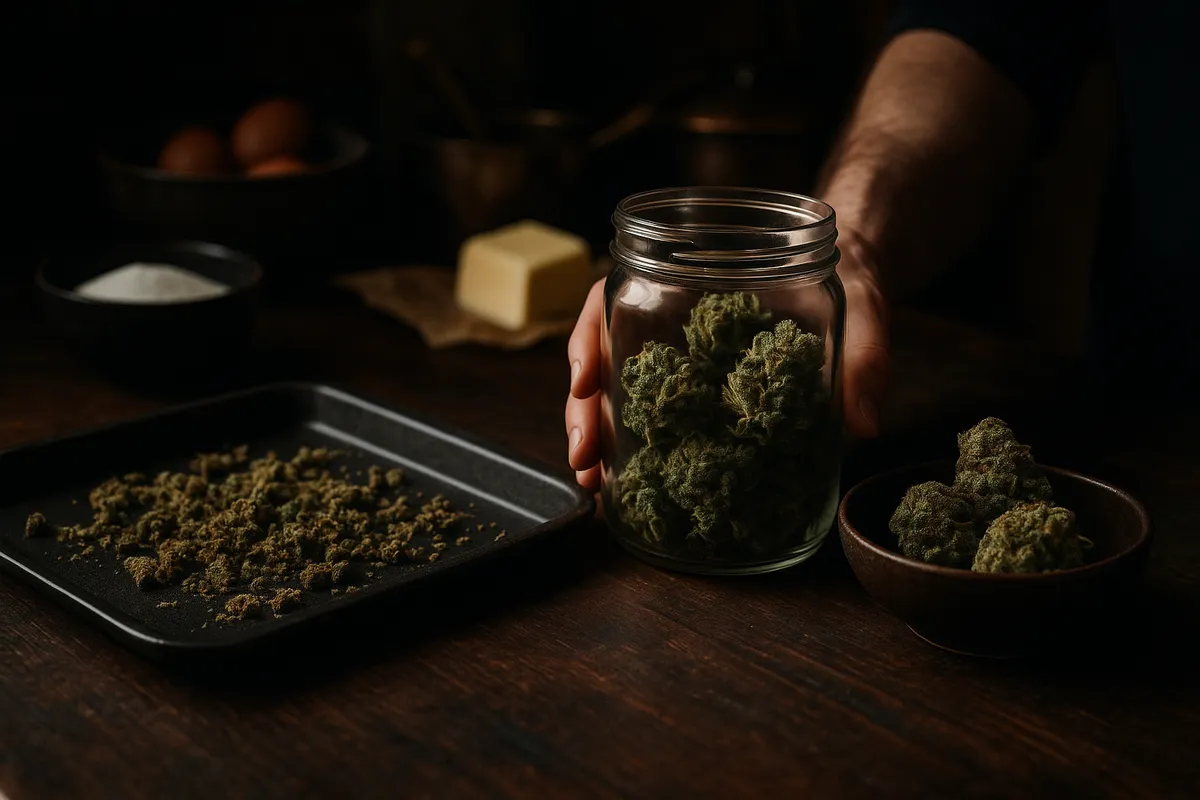
Prepare Your Cannabis: Break up your cannabis into smaller pieces. This increases the surface area, allowing for better heat distribution.
-
Spread Evenly: Place the cannabis on a baking sheet lined with parchment paper, spreading it out evenly.
-
Bake: Place it in the oven and set a timer for 30 minutes. Stir halfway through to ensure even cooking.
-
Cool Down: Let it cool before using it in your recipes.
By following these steps, you’ll ensure that your cannabis is fully activated and ready for culinary use.
Common Mistakes to Avoid
Decarboxylation seems simple, but there are a few pitfalls to watch out for:
-
Too High of a Temperature: As mentioned, temperatures above 250°F (121°C) can degrade cannabinoids. Use an oven thermometer to ensure accuracy.
-
Not Enough Time: Rushing the process won’t fully activate the compounds. Stick to the recommended time for best results.
-
Skipping the Cool Down: Using hot cannabis can ruin your recipes. Allow it to cool to maintain flavor and potency.
-
Not Storing Properly: After decarbing, if you don’t use all of your cannabis, store it in an airtight container to preserve its qualities.
Creative Ways to Use Decarbed Cannabis
Once you’ve successfully decarbed your cannabis, it’s time to put it to good use! Here are a few delicious ideas:
- Cannabutter: Perfect for brownies and other baked goods. Use it in recipes to create your favorite edibles.
- Infused Oils: Great for salad dressings or drizzling over vegetables, infused oils can elevate your dishes.
- Smoothies: Blend decarbed cannabis into your favorite smoothies for a health-conscious twist. Just remember to start slow with the dose!
For those looking for recipes to get started, check out our edible recipes feature for some creative inspiration.
Conclusion
Skipping decarb is like trying to bake cookies without preheating the oven—possible, but not nearly as rewarding. To truly unlock the potential of cannabis in your culinary adventures, make sure you take the time to decarb properly. Not only will you maximize the psychoactive effects, but you’ll also enhance the flavors in your edibles.
And if you’re tracking your cannabis experiences, remember that DankLog offers a session logging feature to help you keep tabs on what works best for you. By being mindful of your cooking processes and using the right tools, you can elevate your cannabis cooking game to delicious new heights!