Mason Jar vs Baking Sheet Decarb: Which Method to Use?
When it comes to decarboxylating cannabis, the method you choose can significantly affect the potency and flavor of your final product. The two popular choices are the mason jar method and the baking sheet method. While both options have their merits, they differ in technique, efficiency, and end results. Let’s break down these two methods so you can decide which one fits your needs best.
What Is Decarboxylation and Why Does It Matter?
Before diving into the techniques, let’s quickly recap what decarboxylation is. At its core, decarboxylation is the process of heating cannabis to activate its cannabinoids, primarily THC and CBD. When cannabis is raw, it contains THCA and CBDA, which don’t produce the psychoactive effects users seek. Heat converts these acids into their active forms, allowing you to enjoy the full benefits of your herb.
Quick Comparison Table: Mason Jar vs Baking Sheet
| Feature | Mason Jar Method | Baking Sheet Method |
|---|---|---|
| Temperature Control | Excellent; sealed environment | Moderate; prone to heat fluctuations |
| Odor Control | Minimal; sealed keeps smell contained | High; strong cannabis aroma can escape |
| Ease of Use | Simple, but requires careful monitoring | Quick setup; straightforward process |
| Quality of Decarb | Consistent due to controlled environment | Variable; can lose terpenes if overheated |
| Best For | Infusions and edibles where flavor is key | Quick decarb for immediate use |
1. The Mason Jar Method: A Sealed Success
Using a mason jar for decarboxylation is like giving your cannabis a cozy little sauna. The sealed environment allows for precise temperature control, which can enhance the flavor and potency of the final product.
How to Do It:
- Preparation: Grind your cannabis lightly to increase surface area but avoid fine powder.
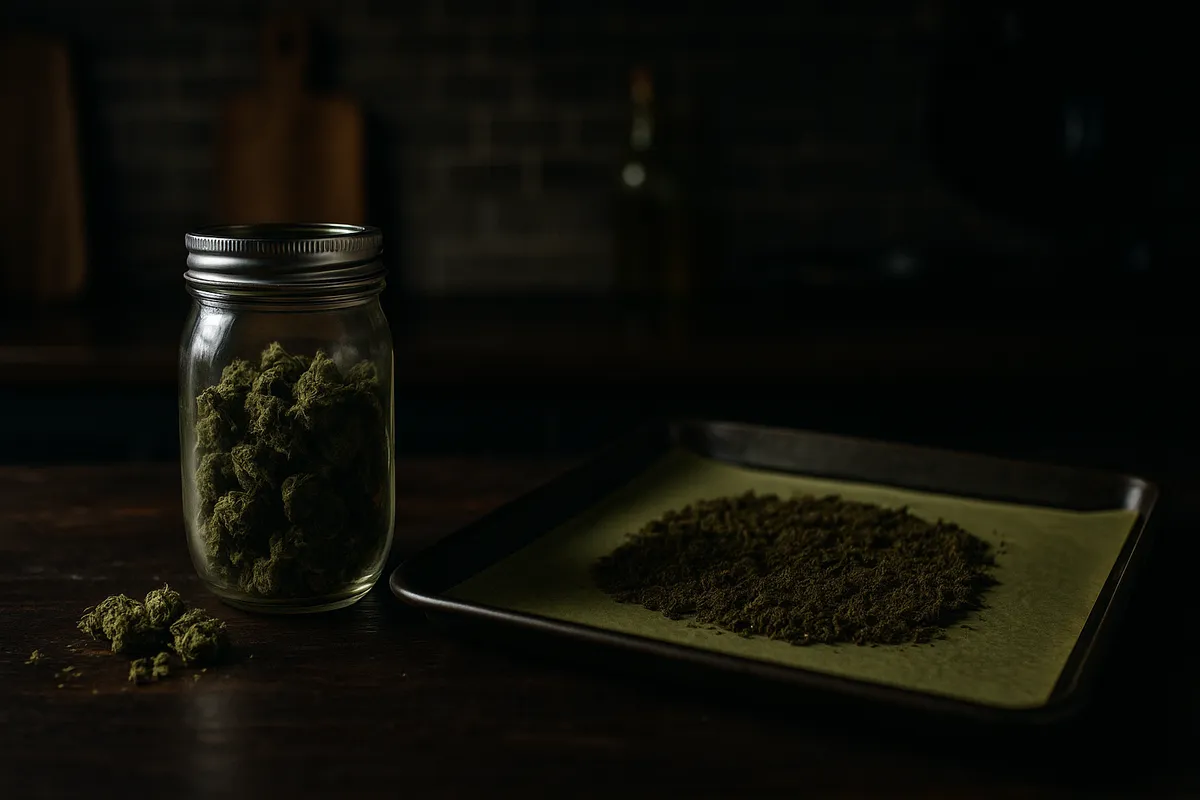
- Jar Setup: Place the ground cannabis in a mason jar, filling it about halfway to allow for expansion.
- Seal It Up: Tighten the lid but don’t overdo it; you want to avoid pressure build-up.
- Heat Source: Place the jar in a water bath on the stove or in an oven-safe pot, ensuring the water level covers the jar halfway.
- Temperature and Time: Heat the water to around 200°F (93°C) and maintain that temperature for about 90 minutes.
- Cool Down: Allow the jar to cool before opening so any trapped pressure can release.
Pros and Cons
- Pros: Retains terpenes better, minimizes odor, and provides consistent results.
- Cons: Takes longer than other methods, more complicated setup.
2. The Baking Sheet Method: Quick and Simple
The baking sheet method is the go-to choice for many because of its simplicity and speed. This method is great for users looking to decarb quickly and effectively without fancy equipment.
How to Do It:
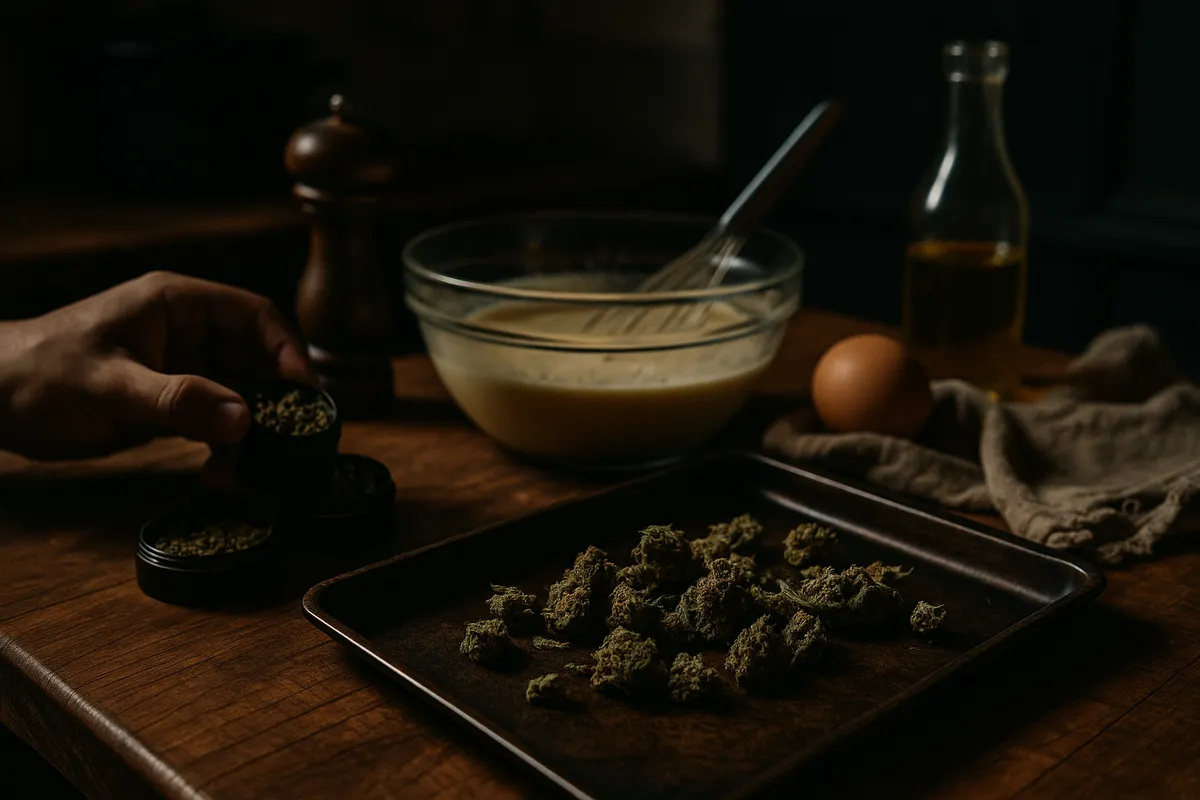
- Preparation: Break up your cannabis into smaller pieces but don’t grind it too finely.
- Spread It Out: Evenly distribute your cannabis on a baking sheet lined with parchment paper.
- Heat It Up: Preheat your oven to 240°F (115°C).
- Bake: Place the baking sheet in the oven and bake for about 30-40 minutes, stirring halfway through to ensure even heating.
- Cool Down: Let the cannabis cool before using.
Pros and Cons
- Pros: Fast setup, easy to monitor, suitable for larger quantities.
- Cons: Strong odor, potential for losing terpenes, and less precise temperature control.
3. Factors to Consider When Choosing Your Method
Deciding between the mason jar and baking sheet methods boils down to several factors:
a. Time vs. Quality
If you’re pressed for time, the baking sheet method can save you precious minutes. However, if you’re concerned about quality and flavor, the mason jar method is worth the extra effort.
b. Amount of Cannabis
If you’re working with a larger batch, the baking sheet method might be more practical. Conversely, for smaller quantities, the mason jar method can be a more effective choice.
c. Odor Sensitivity
If you live with roommates or in a situation where odor control is crucial, the mason jar method keeps smells contained better than an open baking sheet.
d. Desired End Use
Consider how you plan to use your decarbed cannabis. If you’re making edibles or infusions, the mason jar could yield better flavor retention, while the baking sheet method might suffice for quick use in joints or bowls.
4. Tips for Successful Decarb
Regardless of which method you choose, here are a few tips to ensure your decarb process is a success:
- Use a Thermometer: An oven thermometer can help monitor the temperature accurately, especially for the baking sheet method.
- Keep an Eye on Time: Overcooking can degrade cannabinoids and terpenes, so it’s crucial to stick to recommended times.
- Store Properly: After decarb, make sure to store your cannabis in an airtight container away from light and moisture to preserve potency.
Conclusion: The Choice is Yours
Both the mason jar and baking sheet methods are effective for decarboxylating cannabis, but they serve different purposes and user preferences. Whether you lean towards the flavor-retaining benefits of the mason jar or the quick simplicity of the baking sheet, understanding the nuances of these methods can elevate your cannabis experience.
If you’re keen on tracking your sessions and perfecting your cannabis consumption, consider using DankLog’s session logging feature to record your decarb adventures and find the method that suits you best. Happy decarbing!