Decarboxylation is a mystical word that might scare off the casual cannabis consumer, but it’s actually a crucial step in preparing your herb for consumption, especially if you’re into edibles. When it comes to decarbing, a burning question arises: should you grind your cannabis before or after decarboxylation? Buckle up, because we’re about to dive into this hot topic and help you make the right choice for your next baking adventure!
Should You Grind Before or After Decarb?
The short answer is: grinding your cannabis before decarbing is generally the way to go. This method allows for more even heat distribution and maximizes THC activation. When you grind your herb, you increase the surface area, meaning that heat penetrates more efficiently, ensuring you get the most potent results.
Now, let’s explore the ins and outs of this debate to help you understand why grinding ahead of decarb is often recommended and how to get the best results out of your weed.
The Science Behind Decarboxylation
Before we dive into the grind, let’s talk about what decarboxylation even is. When raw cannabis is heated, the non-psychoactive compound THCA converts into THC, the compound responsible for the euphoric high. This process involves removing a carboxyl group from the THCA molecule.
In simpler terms, heat activates your cannabis, making it effective for consumption, particularly in edibles. The ideal temperature for this process lies between 220°F and 250°F (104°C and 121°C), and the duration can range from 30 to 60 minutes, depending on the method you choose.
Benefits of Grinding Before Decarb
-
Increased Surface Area: Grinding your cannabis increases the surface area exposed to heat. This allows for a more efficient decarboxylation process. Think of it as slicing a loaf of bread: more exposed surfaces will toast quicker and more evenly than the whole loaf.
-
Consistent Texture: When you grind your herb, you eliminate clumps, ensuring that your cannabis decarbs evenly. Unevenly decarbed cannabis can lead to inconsistent potency in your edibles.
-
Better Integration into Recipes: Ground cannabis is easier to mix into recipes, whether you’re making cannabutter, oils, or a batch of brownies. You want that goodness spread evenly, right?
-
Improved Flavor Extraction: If you’re making infused oils or butters, finely ground cannabis helps extract flavors and cannabinoids more effectively, resulting in a tastier product.
The Case for Grinding After Decarb
Now, let’s not dismiss the other side entirely. There are cases where grinding after decarboxylation might make sense:
-
Preservation of Potency: Some believe that grinding after decarb preserves more fragile terpenes and cannabinoids that can degrade at high temperatures. If you’re concerned about preserving specific flavors or effects, this could be a consideration.
-
Convenience: If you’re planning to use your freshly decarbed cannabis in a quick recipe, grinding afterward is more straightforward and saves time.
-
Control Over Texture: If you’re using your decarbed weed in joints or other applications, you may want to control the grind size for a particular experience.
How to Decarb Your Cannabis
If you’ve decided to grind first, here’s a quick step-by-step guide to get your decarboxylation process rocking:
-
Preheat Your Oven: Set your oven to between 220°F and 250°F (104°C and 121°C).
-
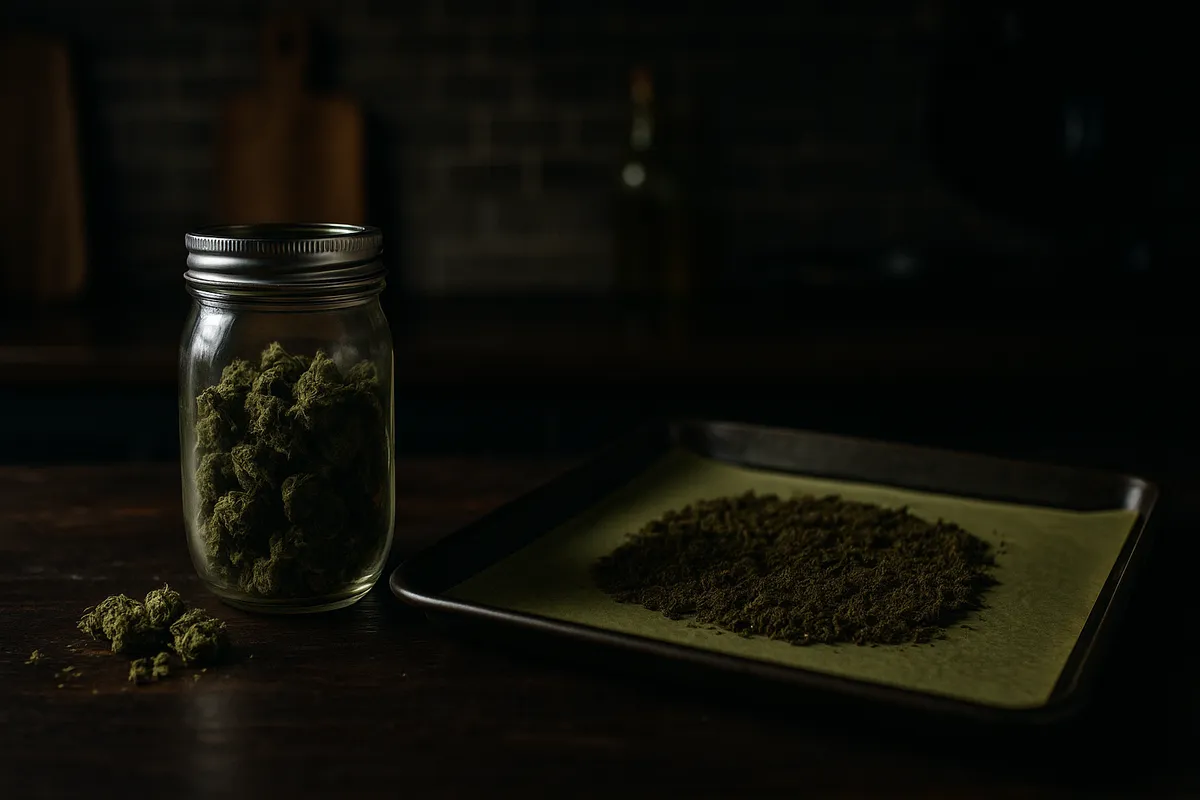
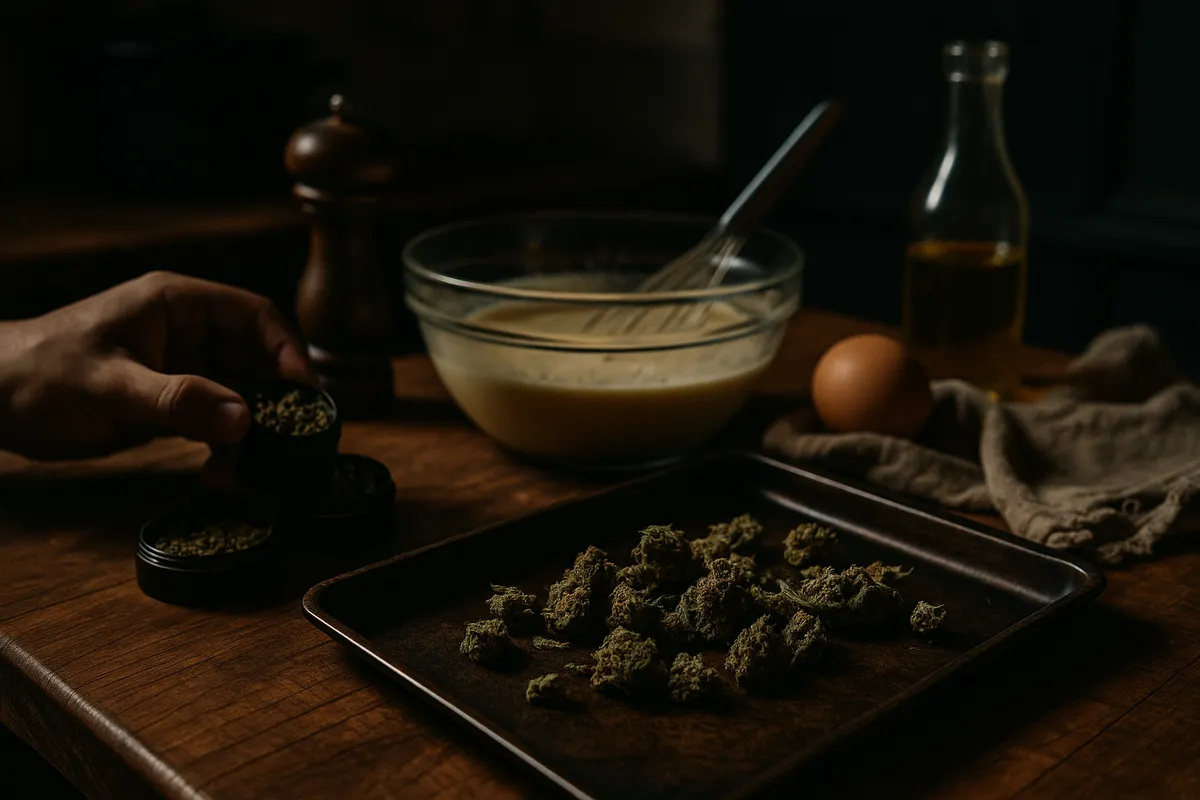
Grind Your Cannabis: Use a grinder to achieve a coarse to medium grind. You want it broken up but not turned into powder.
-
Spread Evenly on a Baking Sheet: Line a baking sheet with parchment paper for easy cleanup. Spread your ground cannabis evenly across the sheet.
-
Decarb Time: Place the baking sheet in the oven. Bake for 30-40 minutes, stirring every 10 minutes to ensure even heating.
-
Cool Down: Remove from the oven and let it cool. Your weed is now ready for infusion into recipes or other uses!
FAQs: Quick Answers for Common Questions
| Question | Answer |
|---|---|
| Can I decarb in a microwave? | While it’s technically possible, it’s not recommended due to uneven heating and the risk of burning your cannabis. Stick to the oven for best results. |
| Does decarbing smell? | Yes, decarboxylation will emit a noticeable smell. If discretion is a concern, consider using an oven with good ventilation. |
| Can I reuse decarbed cannabis? | Yes, you can reuse decarbed cannabis, but its potency will be diminished. It’s best used for crafting oils or butters rather than smoking. |
Conclusion
When it comes to the eternal debate of whether to grind before or after decarbing, the consensus leans heavily towards grinding first. You’ll maximize the efficiency of the decarboxylation process and end up with a product that’s ready to be infused into your favorite recipes.
If you’re just starting out or looking to elevate your edibles game, consider using DankLog’s edible recipes feature for inspiration and tips to make the most out of your decarbed cannabis. Plus, with our session logging feature, you can track which methods work best for you over time. Happy decarbing!