That little pile of toasted flower in your vaporizer might look finished, but it isn’t necessarily out of useful cannabinoids - or out of second acts. Already vaped bud, usually called AVB, can sometimes be reused in food or other preparations, although the results are much less predictable than a labeled cannabis product. Before you give those brown crumbs a starring role in your next kitchen experiment, it helps to understand what vaping leaves behind, which reuse options are actually practical, and when saving a batch is more trouble than it’s worth.
Already Vaped Bud (AVB): Is It Still Worth Using?
Yes, AVB can still be worth using because dry-herb vaping doesn’t necessarily remove all the cannabinoids from cannabis flower. Whether it’s worth your effort depends on how thoroughly the flower was vaped, how it was stored, and how comfortable you are with uncertain potency.
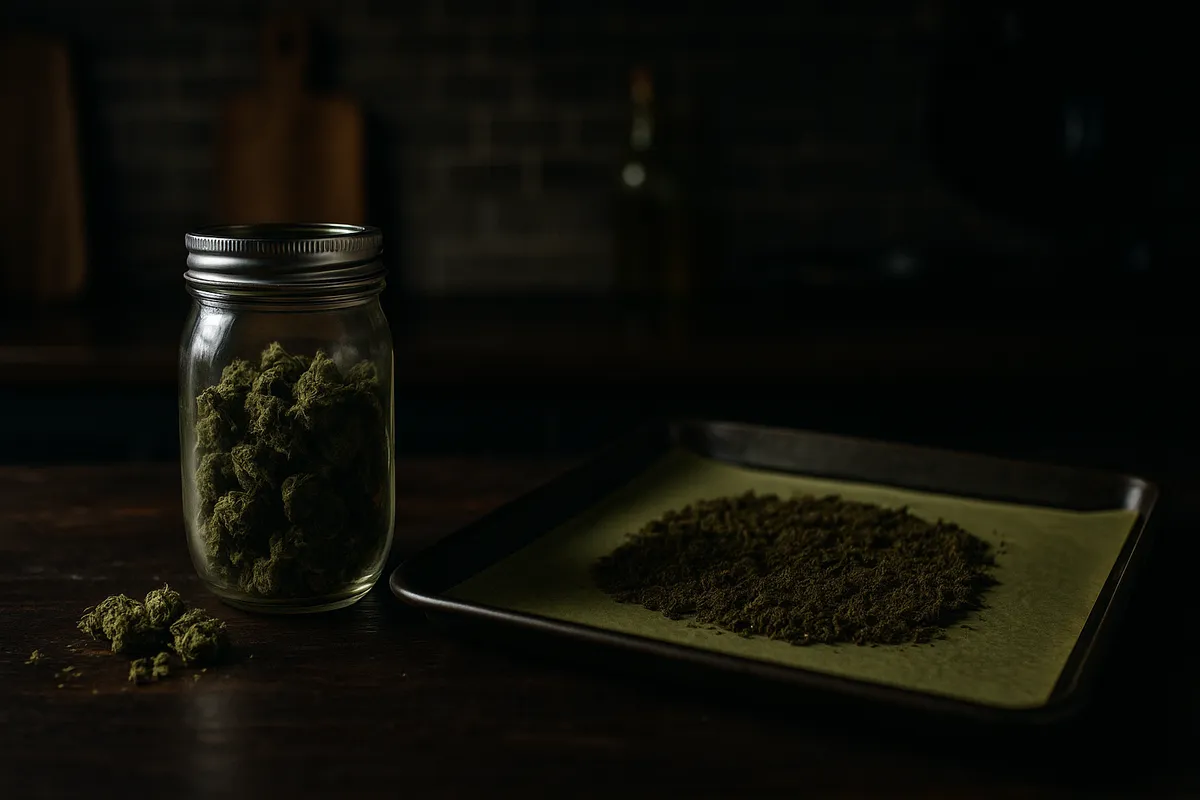
AVB is the dry plant material left after a session in a dry-herb vaporizer. You may also see it called ABV, short for “already been vaped.” It is not ash, cartridge residue, or leftover concentrate, and those materials shouldn’t be treated as interchangeable.
Here’s the quick comparison:
| Leftover material | Practical takeaway |
|---|---|
| Lightly toasted, dry AVB | May retain more cannabinoids, but appearance cannot establish potency |
| Evenly medium-brown AVB | Potentially reusable, with a stronger toasted flavor |
| Very dark, heavily extracted AVB | Often offers diminishing returns and more unpleasant flavor |
| Blackened or ashy material | Suggests scorching or combustion; generally not worth reusing |
| Damp, moldy, or questionably stored material | Discard rather than trying to salvage |
The appeal is straightforward: you’re getting another use from flower you already bought. The trade-off is that AVB lacks reliable dose information and usually tastes considerably less charming than the original bud.
Think of it as a variable leftover ingredient, not a bargain version of a lab-tested edible. If consistency matters more than reducing waste, a clearly labeled product is usually the more practical choice.
Remaining Potency Is Hard to Predict
Two jars of AVB can look nearly identical and still behave differently. Original flower potency, vaporizer design, temperature settings, session length, airflow, and stirring all influence what remains.
A short session at a lower setting may leave more cannabinoids behind than repeated sessions taken to a dark finish. However, a device’s displayed temperature isn’t a laboratory measurement of every particle in its chamber. Heating can be uneven, and different devices extract flower differently.
Color provides clues, not a dose
Brownness tells you something about heat exposure, but it cannot tell you how many milligrams of THC remain. Starting flower color, lighting, and uneven heating all complicate visual comparisons.
Likewise, the THC percentage printed on the original package doesn’t solve the problem. Multiplying that number by the weight of your AVB would ignore what was removed during vaping, along with other processing losses.
There is no dependable universal conversion from grams of AVB to milligrams of THC. Internet formulas may look reassuringly precise without being accurate.
Vaping usually handles much of the decarb
The heat used during vaping generally causes substantial decarboxylation - the conversion of acidic cannabinoids such as THCA into their neutral forms. That’s why AVB often doesn’t need a separate decarb step for reuse, though the extent varies with the session.
Additional heating isn’t automatically an upgrade; it can further degrade what remains. Our guide to color, smell, and timing cues for decarb explains why appearance is useful context rather than proof of a particular cannabinoid content.
Practical Reuse Starts With Simple Options
AVB’s main obstacle isn’t creativity. It’s the combination of uncertain strength and a flavor best described as “enthusiastic toast.”
For adults who can legally possess and prepare cannabis, these are the most common options:
Mixing it into food
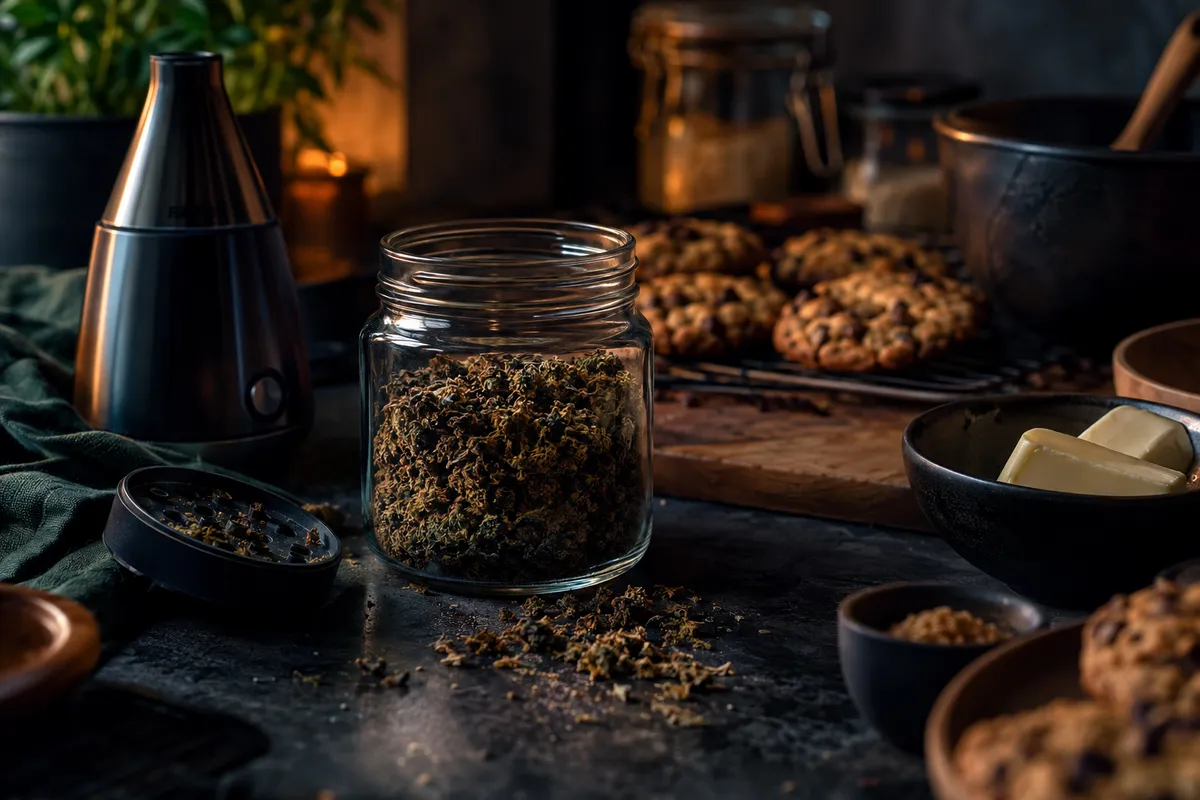
Because vaping generally performs much of the decarboxylation, some people add AVB directly to food. Chocolate, nut butter, or strongly flavored savory dishes can make its toasted bitterness less noticeable, although they won’t erase the gritty texture.
The advantage is simplicity: no separate preparation project. The disadvantage is that the plant material stays in the food, and the cannabinoid content remains unknown.
Avoid treating an entire shared meal as an experiment. Clearly label anything containing cannabis, keep it separate from ordinary food, and never serve it without explicit consent.
Making a strained infusion
Another approach is incorporating AVB into a food-compatible fat and straining out the plant material. This can reduce grittiness, but it doesn’t guarantee complete extraction or establish potency.
A larger batch also spreads uncertainty across more servings. Thorough mixing and equal portions can improve consistency within a batch, but equal portions are not the same as known doses.
Never assume that an online recipe produces the advertised strength when your starting ingredient is untested AVB.
Skipping a second inhalation session
You can put AVB back into a dry-herb vaporizer, but heavily extracted material usually delivers diminishing returns and poorer flavor. Smoking it also introduces combustion rather than preserving the original vaping method.
For many people, the most sensible choices are a modest food experiment or simply discarding it. Reusing every last crumb is optional; your cannabis doesn’t need a perfect attendance award.
Storage and Handling Decide What Is Worth Keeping
Good storage won’t restore cannabinoids that have already been removed, but poor storage can make an otherwise usable batch unsuitable.
Let AVB cool completely before transferring it into a clean, dry, airtight container. Keep that container away from heat, direct light, and moisture, and store it securely out of reach of children and pets.
Label it with useful details:
- Collection dates: A date range is more informative than “the brown jar.”
- Source flower: Record the strain or product when known.
- Vaping conditions: Note the device, approximate settings, and whether sessions were light or thorough.
- Added ingredients: Keep plain AVB separate from anything containing food or water.
Avoid combining every new batch with an indefinitely growing mystery collection. Separate batches make it easier to compare results and discard questionable material without losing everything.
There is no universal shelf-life guarantee for home-stored AVB. Moisture, contamination, and storage conditions matter, so don’t rely on a calendar alone. Discard material showing mold, dampness, or an unexpected musty smell. Heating or cooking is not a reliable way to rescue spoiled material.
You may also encounter “water curing,” which involves soaking AVB to reduce some unwanted flavors. It does not standardize potency, and wet plant material introduces additional handling and spoilage concerns. For occasional reuse, the extra work may outweigh any flavor improvement.
Once AVB becomes part of a perishable food, follow the storage requirements of that food - not the storage routine for dry flower.
A Useful Log Beats Guesswork
AVB reuse is easiest to evaluate when you change fewer variables at once. If the source flower, vaping conditions, preparation method, and portion size all change between attempts, you won’t learn much from comparing them.
Keep batches separate and record what you actually know. Useful notes include:
- The source product and its labeled cannabinoid information, if available.
- The vaporizer, settings, and approximate session length.
- The collected AVB’s weight and general appearance.
- The preparation method and number of portions.
- The amount consumed, time, and your observations afterward.
Record AVB weight as ingredient weight, not as a known THC dose. Likewise, a pleasant or underwhelming experience doesn’t reveal the exact potency of the remaining batch.
Orally consumed cannabis can take much longer to become noticeable than inhaled cannabis, and its effects can last longer. Don’t assume an initially subtle result means nothing is happening, or quickly add more to compensate. Avoid driving or operating machinery while impaired, and don’t combine an unfamiliar AVB preparation with alcohol or other intoxicants.
DankLog’s session logging feature gives you a place to record methods, amounts, and notes instead of reconstructing the experiment from memory. Keep unknown values marked as unknown rather than filling them with confident guesses.
After several entries, compare whether reuse was actually worthwhile: Did you enjoy the flavor? Was the preparation manageable? Were the results too inconsistent? This guide to spotting patterns in your cannabis consumption data can help you separate recurring observations from a single memorable session.
The Bottom Line on Reusing AVB
Already vaped bud can have a useful second act, but it comes with limitations: uncertain potency, a toasted flavor, and extra storage and preparation work. Lightly or moderately extracted AVB may be worth keeping; heavily scorched or questionably stored material usually isn’t.
The goal isn’t to squeeze maximum mileage from every crumb. It’s to decide whether reuse adds enough value to justify the uncertainty. If you try it, keep batches labeled, avoid pretending ingredient weight equals a THC dose, and document what happens. DankLog’s session notes and strain tracking can help connect those observations to the flower and routines that produced them - no mystery jar required.