Introduction
Ever found yourself reaching for your favorite strain, only to feel like you just stepped into a different universe? One moment, you’re floating on a blissful cloud, and the next, you’re wondering if you accidentally walked into a horror movie. If you’ve ever pondered why the same strain can give you a completely different experience each time, you’re definitely not alone. Cannabis is a fascinating plant that plays by its own rules, and there are several factors at play behind the scenes. So, sit back, roll one up (or not), and let’s dive into the whys and hows of this curious phenomenon.
The Role of Cannabinoids
What Are Cannabinoids?
Cannabinoids are the chemical compounds in cannabis that interact with your body’s endocannabinoid system, which is responsible for regulating a variety of functions like mood, appetite, and even sleep. The most well-known cannabinoids are THC (tetrahydrocannabinol) and CBD (cannabidiol), but there are over a hundred others, each with their unique effects.
How THC and CBD Influence Your Experience
The balance of cannabinoids in a strain can significantly impact your experience. A high THC strain might have you feeling euphoric and giggly one day, but if you’re a bit sleep-deprived or stressed out the next time you try it, you might instead feel anxious or paranoid. On the flip side, a strain with a higher CBD content might mellow your experience and offer a more calming effect.
The Importance of Individual Cannabinoid Ratios
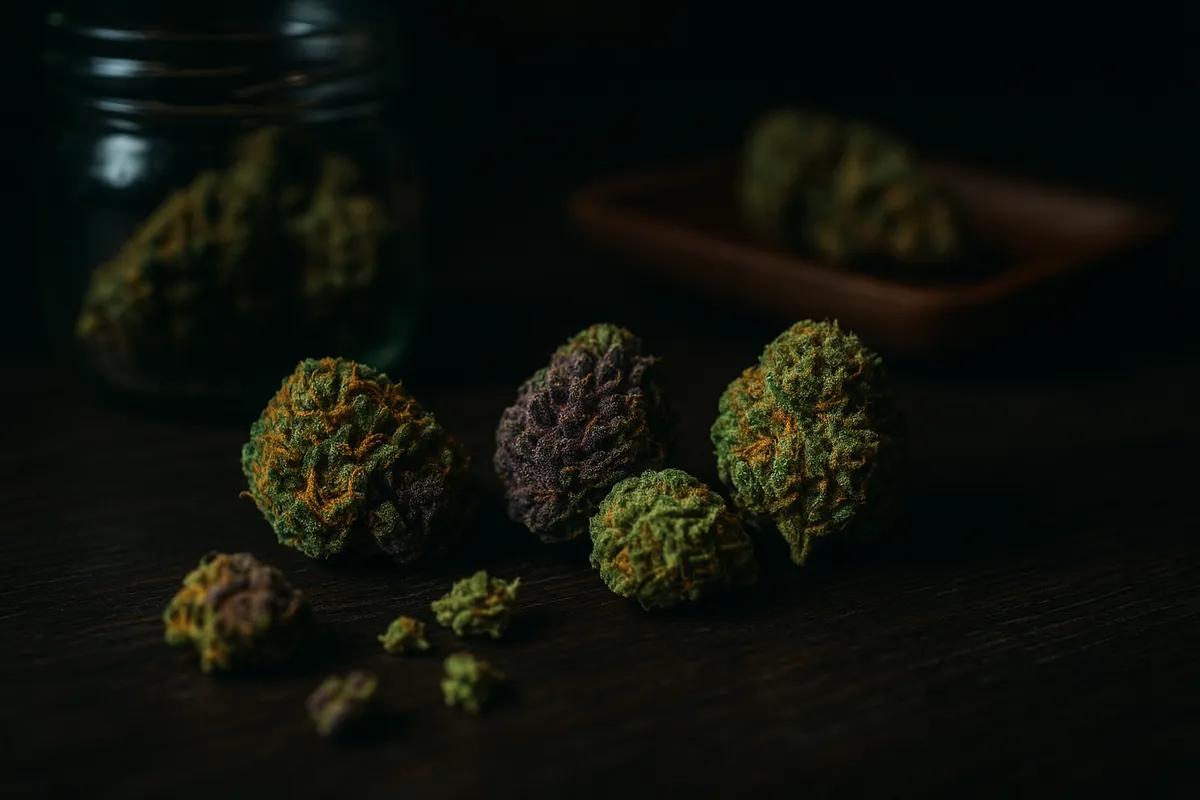
Strain labeling can often be misleading. Just because a strain is labeled as “indica” or “sativa” doesn’t mean it will affect you the same way every time. The specific ratios of cannabinoids can vary significantly from batch to batch. This is why keeping track of the strains you try, including the cannabinoid profiles, can help you get a better idea of what works for you.
Terpenes: The Unsung Heroes
What Are Terpenes?
If cannabinoids are the stars of the show, terpenes are the supporting cast that helps set the mood. These aromatic compounds are found in many plants, not just cannabis, and they play a crucial role in the overall experience of a strain.
How Terpenes Affect Your Experience
Terpenes can influence how you feel when consuming cannabis. For example, myrcene, a common terpene, is known for its sedative effects and is often found in indica strains. On the other hand, limonene, with its citrusy scent, is typically uplifting and can add a bit of zest to your day.
The Entourage Effect
This is where it gets really interesting. The effects of cannabinoids and terpenes can amplify each other in what’s known as the “entourage effect.” This means that the combination of these compounds can create a unique experience that’s different from consuming them in isolation. So, the same strain might feel different depending on its terpene profile at the time you consume it.
Your Personal Factors
Mood and Mindset
Let’s face it: your mood and mindset can dramatically alter your cannabis experience. If you’re feeling stressed or anxious when you consume, you might find that a strain that usually makes you feel relaxed suddenly sends you into a spiral. On the flip side, if you’re feeling good and uplifted, even a strain that’s typically mellow might feel like a party in your brain.
Environment Matters
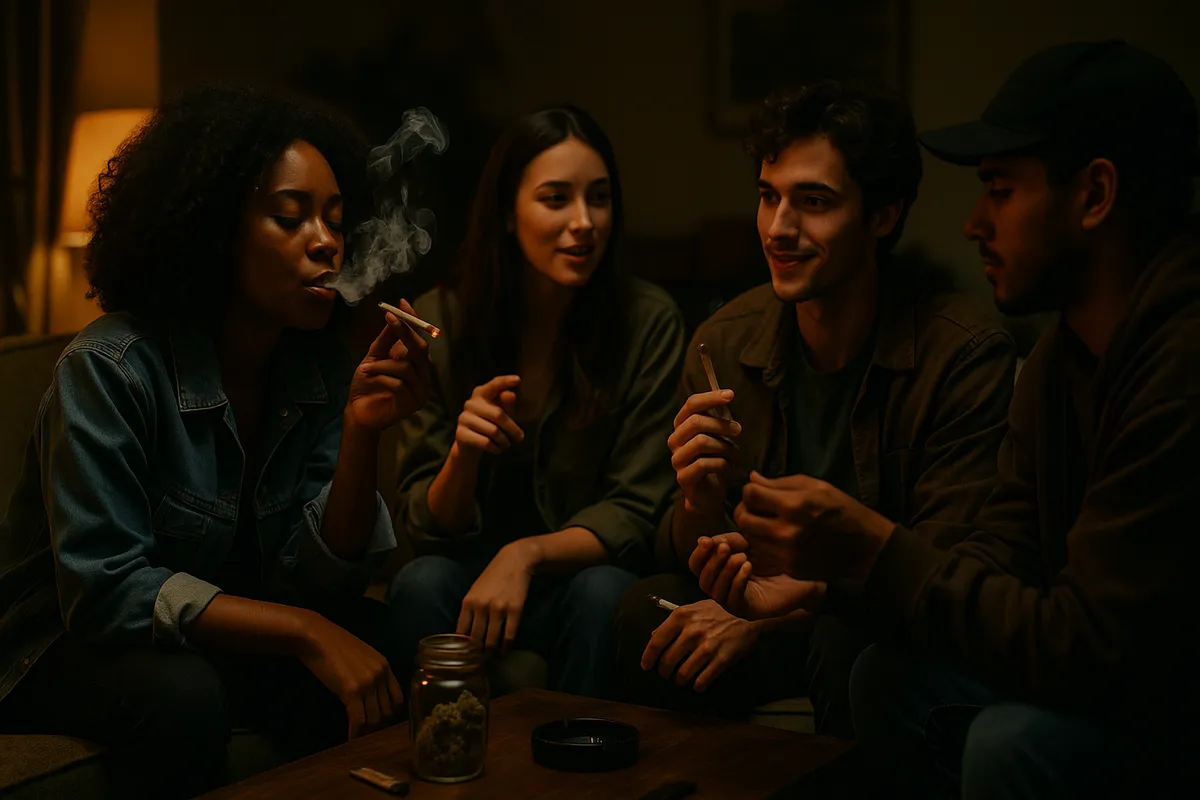
Your surroundings can also influence how a strain affects you. Are you at a chill house party with friends, or are you alone in your dimly lit room? The context in which you consume can shift your experience from euphoric to introspective, or vice versa. So next time you’re lighting up, consider where you are and how that might be adding to your experience.
Tolerance Levels
As you consume cannabis more regularly, your body can develop a tolerance to certain strains and cannabinoids. This means that what used to be a light and airy experience may feel heavier as time goes on. Keeping a record in an app like DankLog can help you monitor how your tolerance is evolving and guide you in selecting strains that match your current sensitivity levels.
Consumption Method and Dosage
The Importance of How You Consume
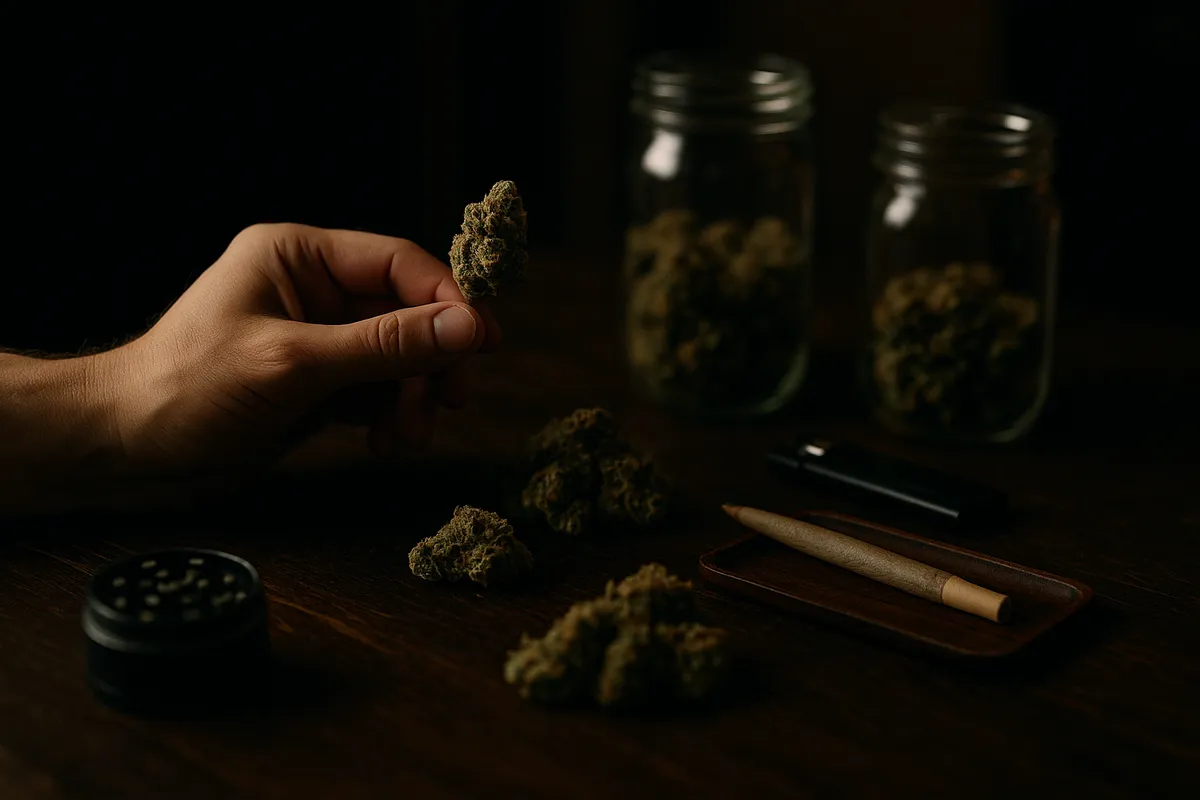
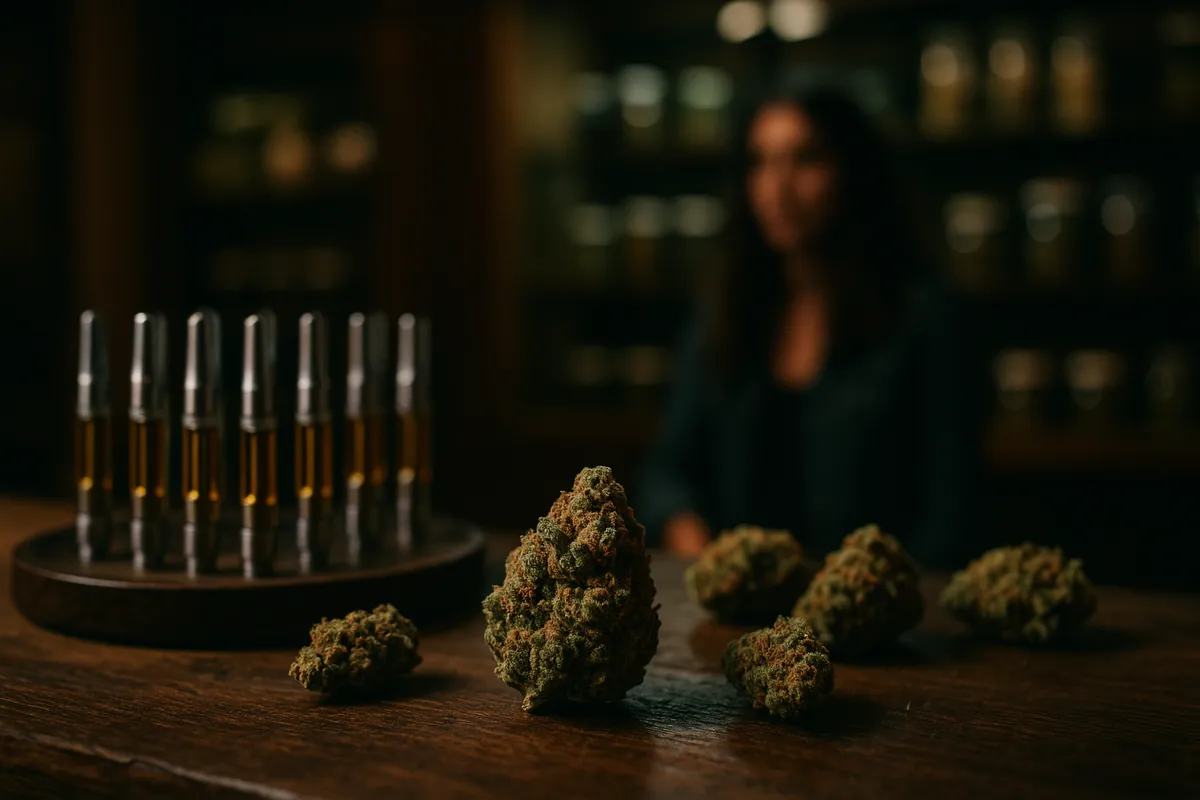
The method of consumption plays a crucial role in how you experience cannabis. Whether you’re smoking, vaping, eating edibles, or using oils, each method can produce different effects and onset times. For instance, smoking or vaping allows for almost immediate effects, whereas edibles can take longer to kick in and might feel more intense once they do.
Dosage Dynamics
It’s not just about how you consume, but also how much. A small dose can lead to a light, uplifting experience, while a high dose could have you glued to your couch, contemplating the meaning of life (and possibly the universe). As you become more familiar with specific strains, paying attention to your dosage can help you tailor your experience more precisely.
Conclusion
So, there you have it! The same strain can feel like a wild roller coaster ride rather than a reliable journey because of the intricate interplay of cannabinoids, terpenes, personal factors, and consumption methods. Understanding these variables can help you get the most out of your cannabis experience and avoid those unexpected detours.
If you want to keep track of your cannabis journeys, noting the strains you’ve tried, your mood, the environment, and consumption method can be incredibly beneficial. DankLog provides a fantastic platform for you to record all this information and refine your cannabis experience over time. Happy exploring, and may your next session be exactly what you’re looking for!