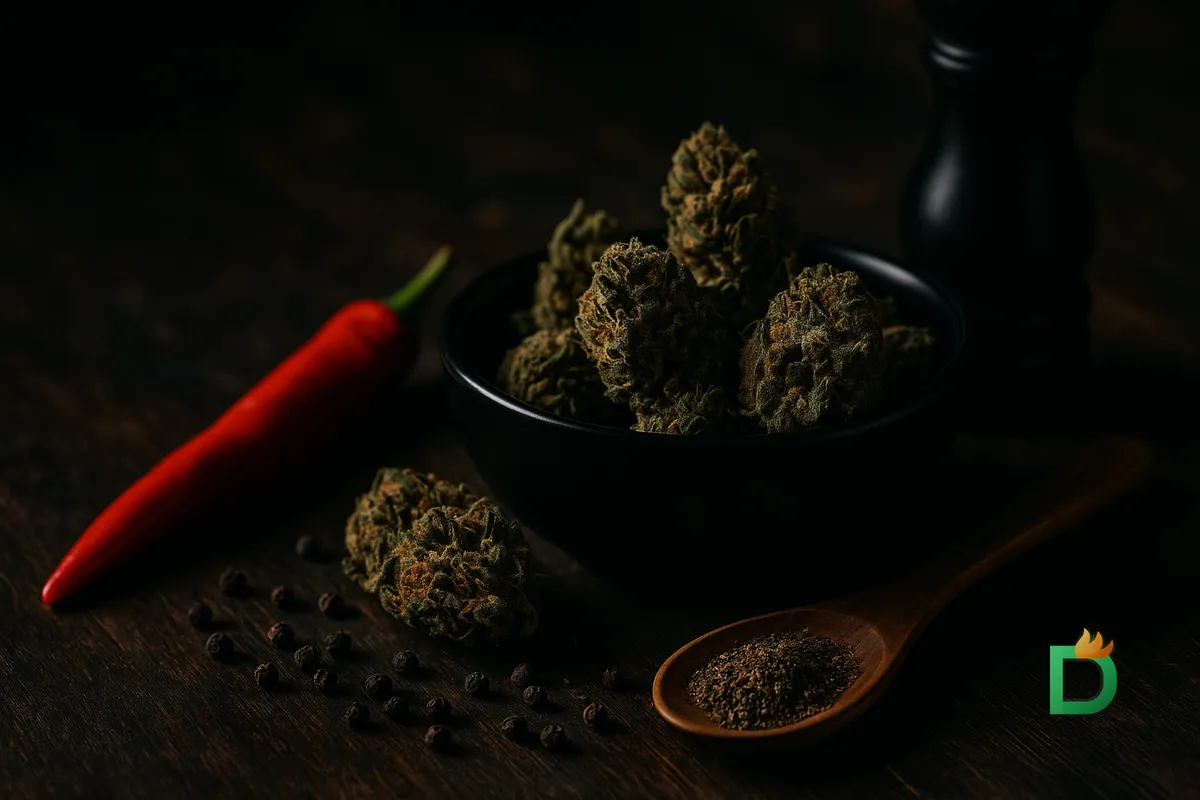
Limonene, the citrusy terpene that’s often associated with the refreshing aroma of lemons, limes, and oranges, is more than just a delightful scent. It’s a powerful compound found in various cannabis strains, and understanding its properties can elevate your cannabis experience. But what do we really know about limonene? Let’s peel back the layers and explore this fragrant terpene.
What Is Limonene and What Effects Does It Have?
Limonene is a terpene found in the essential oils of citrus fruits and is one of the most common terpenes in the cannabis plant. It is believed to have uplifting effects, often associated with energy and focus. Early research suggests that limonene may also contribute to feelings of happiness and relaxation, making it a popular choice for users seeking mood enhancement.
Key Effects of Limonene:
| Effect | What the evidence says |
|---|---|
| Mood lift | Widely reported by consumers. Human studies are small and early. |
| Calm, less anxiety | Anti-stress effects in mice. One small 2024 human study found limonene eased THC-related anxiety. |
| Anti-inflammatory | Seen in lab and animal studies only. Not shown in people. |
In essence, limonene is like a bright ray of sunshine in the world of terpenes, adding both aroma and potential therapeutic benefits to the mix.
The Science of Limonene
Much of what gets written about limonene runs ahead of the research. Unlike beta-caryophyllene, limonene is not known to bind directly to the body’s cannabinoid receptors. Most of the research on it comes from animal studies, where it shows anti-stress effects that appear to involve serotonin and dopamine signaling.
Notable Studies:
- Animal research: A 2006 study in mice found that inhaled lemon oil produced anti-stress effects linked to serotonin and dopamine activity. The study tested lemon oil, not isolated limonene, and results in mice do not always carry over to people.
- Limonene with THC in people: In a small 2024 study at Johns Hopkins, 20 adults completed sessions with vaporized THC, limonene, their combinations and placebo. Only 12 participants received the highest-dose combination, which reduced reported THC-related anxiety and paranoia compared with THC alone. Limonene on its own did not differ from placebo on the measured effects. It is one small study, not proof that limonene treats anxiety.
What is not established: that limonene treats anxiety or depression, or that the amount in typical flower changes how a strain feels. Treat it as a promising lead, not a promise.
Limonene in Cannabis Strains
A citrus name or a lemony smell is a weak guide here. In DankLog’s strain library, plenty of lemon-named strains list myrcene or terpinolene as their top terpene rather than limonene. Super Lemon Haze is a good example: its leading terpenes are terpinolene, caryophyllene and myrcene.
Strains that list limonene as their dominant terpene include:
- Kush Mints: limonene first, followed by caryophyllene and linalool.
- Jet Fuel: limonene first, with caryophyllene and myrcene.
- Banana OG: limonene first, with caryophyllene and myrcene.
- Hindu Kush: limonene first, with caryophyllene and pinene.
Terpene content also varies between growers and batches, so the lab label on the product in front of you beats any strain-name list.
You can track which strains work best for you using the strain tracking feature in the DankLog app, ensuring you remember the effects that resonate most.
How to Incorporate Limonene in Your Routine
If you want to harness the potential benefits of limonene, there are practical ways to incorporate it into your cannabis sessions:
-
Choose the Right Strains: Opt for strains with limonene near the top of their terpene profile, like those above, and note how they feel compared with your usual picks.
-
Check the Label, Not Just the Name: If the product lists a terpene breakdown, look for limonene near the top. Aroma helps too, but as noted above, a lemon smell can come from other terpenes.
-
Experiment with Dosing: Everyone’s body reacts differently. Start low and go slow, paying attention to how limonene-rich strains affect your mood and energy. You can use DankLog’s cannabis tolerance calculator to help guide your dosing and breaks.
Potential Uses Beyond Cannabis
Limonene isn’t just limited to the cannabis world. It’s widely used in various industries, including:
-
Cleaning Products: Thanks to its pleasant aroma and potential antibacterial properties, limonene is a popular ingredient in eco-friendly cleaning products.
-
Food Industry: You’ll find limonene in flavoring agents and natural food preservatives, enhancing the taste of various dishes and snacks.
-
Aromatherapy: Many essential oils contain limonene, which is said to uplift mood and reduce stress when used in diffusers.
Final Thoughts
Limonene is a fascinating terpene that contributes to both the aroma and potential effects of cannabis. While the research is still developing, the uplifting qualities and refreshing scent make it a favorite among many cannabis consumers. As you explore different strains and their effects, consider using tools like DankLog’s session logging feature to track your experiences and preferences.
Understanding limonene and how it interacts with your body can help you make informed choices, leading to a more enjoyable and personalized cannabis journey. So, go ahead and embrace the zestiness of limonene, you might just find it enhances your sessions in ways you never expected!