There is no single best cannabis strain for anxiety or sleep, because the same strain can relax one person and rev up another. The reliable way to find yours is to track how each session actually feels, then let those patterns point you back to what works. That is exactly what DankLog’s effect-based tracking is built for.
Why one cannabis strain does not work the same for everyone
The same strain can calm one person and make another jittery because effects depend on more than the strain name. Terpene ratios, your dose, your tolerance, the setting you consume in, and your own body chemistry all shape the outcome as much as the strain itself does.
Two people can consume the identical batch of flower and walk away with opposite experiences. One person’s endocannabinoid system responds differently to THC than another’s, tolerance shifts week to week, and even the room you’re in changes the outcome - a strain that melts tension on your couch can feel like too much at a crowded gathering. Terpenes matter just as much as cannabinoid percentages. Linalool, the same aromatic compound found in lavender, has shown anxiolytic effects in published research, but the concentration and ratio to other compounds varies from batch to batch, even within the same strain name. That’s why a strain guide can only ever be a starting point. Your own data is the part no guide can give you.
Consumption method changes the equation too. Inhaling flower or using a vaporizer peaks in minutes, so you can consume a small amount, wait, and decide whether you want more, which makes it easier to find your effective dose without overshooting. Edibles peak much later, sometimes over an hour, which means the same milligram amount can land very differently than it does when inhaled. If you’re trying a new strain for anxiety or sleep, starting with a fast-onset method gives you more control while you’re still learning how a particular batch affects you.
Where to start for sleep
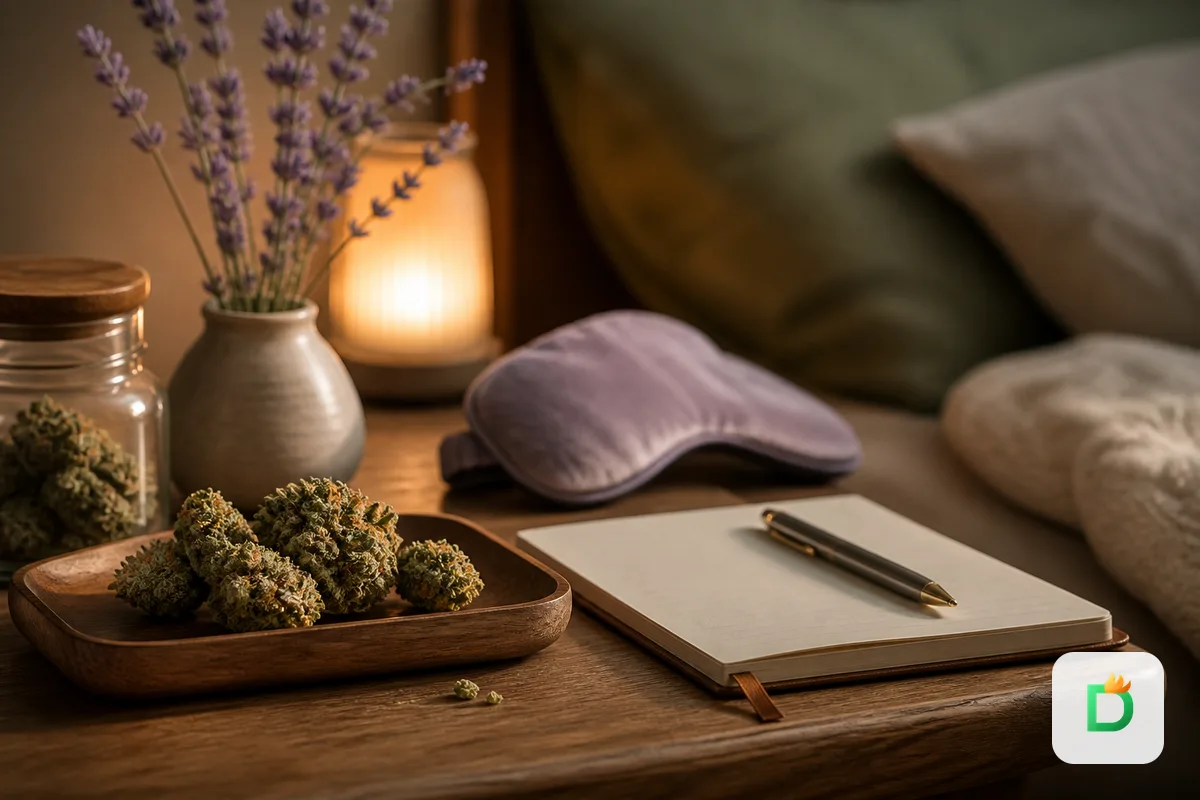
For sleep, look toward strains built around DankLog’s Sleep and Relax vibes, which tend to carry a heavier, body-forward profile. Terpenes like myrcene and linalool, along with the minor cannabinoid CBN, show up often in strains people log as calming before bed.
Myrcene is the most common terpene in cannabis, and at higher concentrations it tends to produce a heavier, more sedating body feel - it’s part of why some “indica” flower gets a reputation for couch-lock. Linalool brings a gentler, floral calm alongside it. CBN, a minor cannabinoid that forms as THC ages, has drawn fresh research interest for sleep specifically: a 2024 study published in Neuropsychopharmacology found CBN extended both REM and non-REM sleep in animal models without the intoxicating pull of THC. None of this is a guarantee for any one product, and none of it is medical advice - it’s simply what shows up often enough to be worth trying first. If sleep is your main goal, our cannabis and sleep tracking guide walks through linking sessions to sleep quality, and our minor cannabinoids and sleep breakdown goes deeper on CBN specifically.
Timing matters as much as the strain itself. Consuming too close to the moment you want to fall asleep can mean the heavier body effects haven’t fully kicked in yet, while consuming too early in the evening can mean they’ve already faded by bedtime. Many people who log Sleep-vibe sessions find a window of 30 to 60 minutes before they actually want to be asleep works well for inhaled products, with edibles needing closer to 90 minutes to two hours of lead time given their slower onset. That window is exactly the kind of detail a generic strain list can’t give you, but your own logged sessions can.
Where to start for anxiety
For anxiety, the Relax, Relief, and Mindful vibes are the more forgiving starting points, especially at a lower dose than you might default to. Products with some CBD alongside the THC tend to feel smoother and easier to gauge than anything high-THC and CBD-free.
Anxiety responds differently to cannabis than sleep does, and dose matters more here than almost anywhere else. A small amount can ease tension; too much of the same product can tip into a racing, overwhelmed feeling - what most people call greening out. If you’re anxiety-prone, start with less than you think you need, wait, and assess before consuming more. The same linalool research mentioned above found anxiolytic effects at modest exposure levels, which lines up with the “start low” approach worth taking with any anxiety-focused session. Our full breakdown of strains people log for anxiety goes into specific terpene and cannabinoid patterns in more depth. Whatever you try first, treat it as a hypothesis to test, not a guaranteed fix.
How you consume also affects how much control you have over dose. Inhaled flower or a vaporizer lets you take one small amount, wait ten to fifteen minutes, and reassess before consuming more, which is the safest way to find your threshold for an anxiety-focused session. Edibles are harder to dose carefully because the delayed onset can tempt you into a second dose before the first has fully kicked in, which is a common way an anxiety session tips into an uncomfortable one instead of a calming one. If you’re new to a strain and consuming specifically for anxiety, start with the method that gives you the most real-time feedback.
How to find your strain: the effect-tracking method
The reliable way to find your strain for anxiety or sleep is to log each session, tag the vibe and how it actually made you feel, then review your own patterns after a couple of weeks. Repeat whatever shows up working, and drop whatever doesn’t.
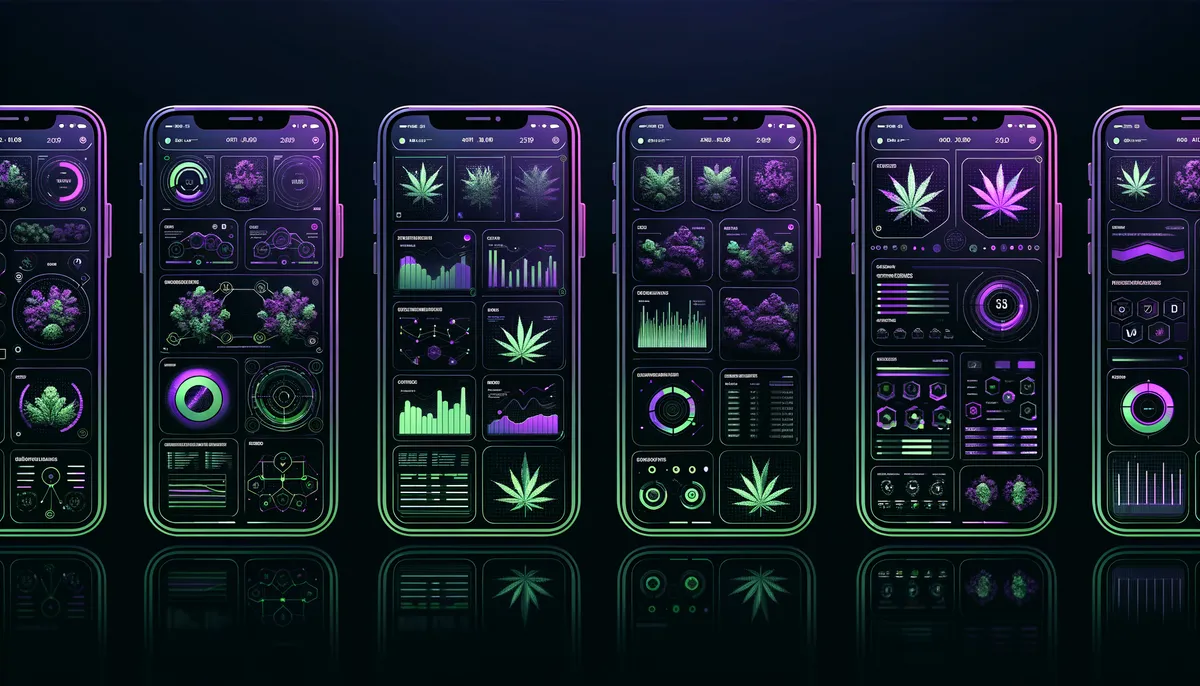
This is the core DankLog loop, and it works because it replaces guesswork with your own history. DankLog scores every session across 12 vibes - Creative, Focus, Social, Relax, Sleep, Gaming, Relief, Energy, Mindful, Intimate, Chill, and Appetite - so instead of just noting “felt good,” you’re building a record of which strain, dose, and setting produced which specific feeling. After enough logged sessions, patterns that no strain list could predict start to surface: maybe your best sleep sessions all share one particular terpene profile, or your anxiety relief consistently comes from a lower dose than you assumed you needed. DankLog’s smart recommendations build on that same session history to suggest what to try next, and session logging is where the pattern-building actually starts. The method doesn’t require any special expertise - it just requires consuming with a bit of intention and writing down what happened.
A useful session log captures more than just the strain name. Consider noting:
- Strain and dose - what you consumed and how much
- Method - flower, vape, edible, or another form
- Vibe tagged - Sleep, Relax, Relief, Mindful, or whichever fits
- How you felt before - your baseline anxiety or sleepiness level
- How you felt after - the actual effect, in your own words
- Setting - home, social, alone, or wherever the context might matter
None of this needs to be elaborate. A few seconds of tagging after each session is enough for the patterns to start showing themselves within a few weeks.
Stop guessing, start tracking what actually works for you.
Log your next session, tag the vibe, and let your own patterns point you to your strain for anxiety or sleep.
Frequently Asked Questions
What strains are best for sleep?
There’s no universal answer, but strains carrying the Sleep or Relax vibe on DankLog, often higher in myrcene and linalool or containing some CBN, are the most common starting point people log as effective before bed. CBN in particular has early research support for extending sleep duration without THC’s intoxicating pull. The strain that works for your neighbor may not work for you, so treat any list as a starting point and track your own results over a few sessions to confirm it actually helps.
Are indicas better for anxiety?
Not reliably. The indica-versus-sativa label describes plant shape more than it predicts effect, and plenty of “sativa” flower tests high in the same calming terpenes people associate with indicas. What actually matters for anxiety is the terpene profile, especially linalool, plus your dose and CBD content. Rather than shopping by indica or sativa alone, look at lab results when available and, more importantly, track how a given product makes you feel across a few sessions.
How long before I see my own pattern?
Most people start noticing a real pattern after 8 to 12 logged sessions, though some see one sooner if they’re consistent about tagging the vibe and dose each time. The key is logging enough variety, different strains, doses, and settings, that DankLog has something to compare against. A single great or bad session isn’t a pattern; a few weeks of consistent logging usually is.
Does a strain journal actually help?
Yes, and it’s the difference between hoping a strain works and knowing it does for you specifically. A journal turns vague memories (“that one helped, I think”) into comparable data: this strain, this dose, this vibe, this outcome. Over several weeks, the entries you’d otherwise forget become the clearest signal you have for repeating what worked and skipping what didn’t, which is exactly what DankLog’s effect-based tracking is designed to surface automatically.