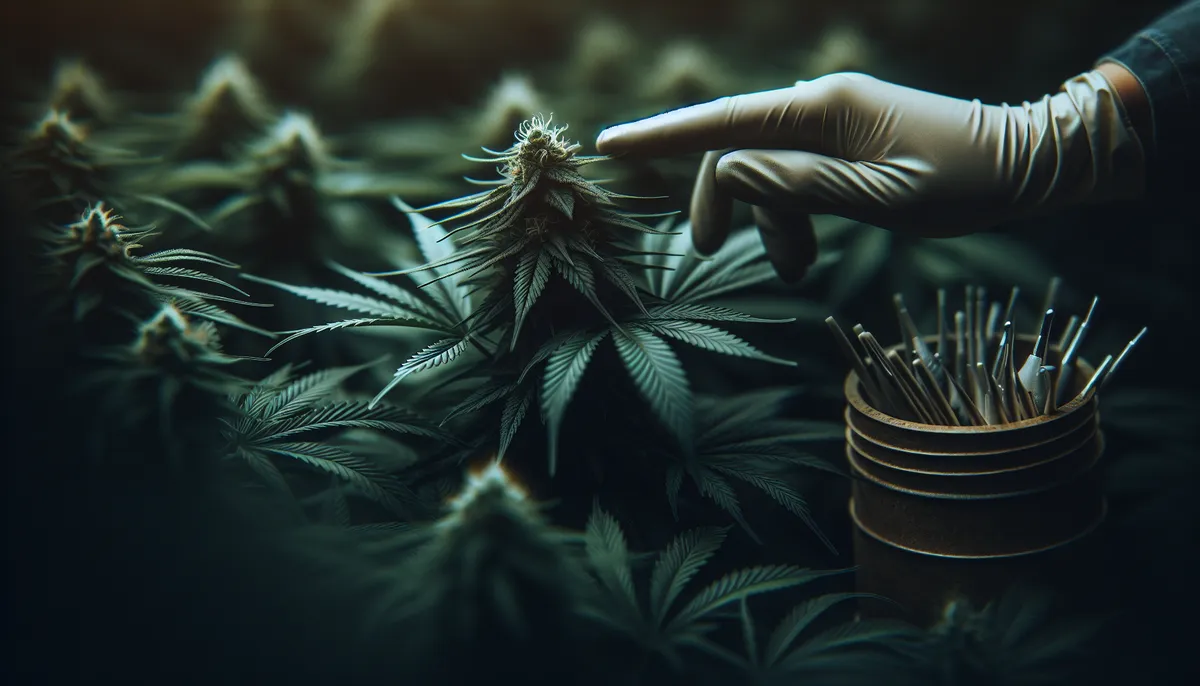
The Green Dilemma: Can Cannabis and Productivity Coexist?
So, you’re sipping your morning coffee, staring at your to-do list, and wondering if the green goddess can help or hinder your productivity today. Cannabis has a bit of a complex reputation when it comes to productivity. Is it the creativity-inducing muse we’ve all dreamt of, or the cozy blanket that tucks us away from our work?
Finding the balance between cannabis use and productivity is like walking a tightrope. One misstep and you might be gazing into space rather than blazing through tasks. But fear not, intrepid adventurer! We’re here to explore how you can make cannabis your ally in the quest for peak productivity.
Understanding Your Cannabis Profile
Know Your Strains
First things first, let’s talk about the kaleidoscope of cannabis strains. Each one is a unique blend of cannabinoids and terpenes that affects your body and mind differently. Broadly categorized, we have three types: Sativa, Indica, and Hybrid.
-
Sativa: Often associated with uplifting and euphoric effects, Sativas are generally considered the go-to for a daytime boost and creative tasks. Think of it as the espresso shot of cannabis.
-
Indica: Typically, Indicas are known for their relaxing and calming effects. Perfect for unwinding, but maybe not the best for tackling that spreadsheet marathon.
-
Hybrid: These are the lovechild of Indica and Sativa strains and can vary widely in effects. They can be tailored to provide the best of both worlds.
Understanding which strain aligns with your productivity goals is key. Keep a little notebook or better yet, a digital log (like DankLog, hint hint) to track your experiences with different strains and their effects.
Dosage Matters
Less can be more when it comes to cannabis and productivity. Microdosing, a practice of taking very small amounts of cannabis, can help you harness the benefits without going overboard. Start small, especially if you’re new to using cannabis for productivity. Adjust as needed, and remember, a little dab will do ya!
Setting the Scene: Your Cannabis-Friendly Work Environment
Create a Focus-Friendly Zone
Let’s face it: working on your couch with your cat purring in your lap is adorable but possibly not the most productivity-friendly setup. Create a dedicated space for work that’s free from distractions. Keep your cannabis tools and paraphernalia organized and out of immediate reach, so you’re not tempted to overconsume.
Time It Right
Timing is everything. Consider using cannabis during transitional periods of your day, such as right before a brainstorming session or as a mid-afternoon pick-me-up. Avoid using it when you need to perform high-concentration tasks unless you’re sure it’s beneficial for you.
Using cannabis as part of a reward system can also be effective. Complete a task? Allow yourself a little puff. Task stacking combined with cannabis motivation can turn your productivity into a game.
Experimenting With Methods of Consumption
Inhale or Ingest?
How you consume cannabis can significantly impact your productivity. Inhalation methods like vaping or smoking generally have quicker onset times, which can be ideal if you need immediate effects. However, bear in mind that the effects might not last as long.
Edibles or tinctures, on the other hand, may take a while to kick in but offer a longer-lasting experience. This might be ideal for prolonged activities where maintaining a steady state is beneficial.
Embrace the Tech
Modern cannabis consumption isn’t just about rolling joints anymore. Vaporizers, dab pens, and other tech can give you more control over your intake and might be more workplace-friendly. Explore different methods to find which aligns with your productivity needs.
Dealing With the Downsides
Navigating the Slump
Even the best-laid plans go awry. Sometimes, cannabis can lead to a productivity slump. When this happens, consider taking a break. Go for a walk, do some stretches, or even meditate. Fresh air and movement can rejuvenate your senses and bring you back to focus.
Stay Hydrated and Nourished
Cannabis can sometimes lead to dry mouth or munchies, which can be distracting. Keep a water bottle at your desk to stay hydrated and choose healthy snacks that can keep your energy levels stable. Brain food like nuts and fruits can be great companions to your workday.
Reflecting and Adjusting
Track Your Progress
Reflection is key to finding the right balance between cannabis and productivity. Use tools like DankLog to keep track of your cannabis use and its impact on your work. Record what strains you used, the dosage, the method of consumption, and how it affected your ability to complete tasks.
Be Open to Change
Your relationship with cannabis and productivity will likely evolve. What worked for you last month might not work today. Stay flexible and open to adjusting your practices. Experimentation is part of the process, so embrace it with an open mind.
Conclusion: Your Productivity Partner in Green
Finding the sweet spot where cannabis and productivity coexist might take time, but with mindfulness and reflection, it’s possible. Remember, cannabis is a tool, and how you use it determines its impact. Tracking your sessions can help you identify which strains and doses keep you in the zone. If you’re new to microdosing, start there before working your way up.
For strain-specific guidance, explore how terpenes influence focus and alertness to find profiles that match your productivity goals.
Frequently Asked Questions
Can cannabis actually make you more productive?
For some people, yes. Low doses of sativa-dominant strains can enhance creative thinking, reduce performance anxiety, and increase engagement with repetitive tasks. The key is strain selection, dose control, and timing. What works varies by person, which is why tracking your sessions is essential.
What are the best strains for productivity?
Strains high in pinene and limonene terpenes tend to promote alertness and mental clarity. Popular choices include Green Crack, Durban Poison, and Jack Herer. However, the best strain for your productivity depends on your individual response, so experiment with small doses and track what works.
How much cannabis should I use to stay productive?
Microdosing (1-3mg THC) is generally the sweet spot for productivity. This provides subtle mood elevation and focus without the cognitive impairment that comes with higher doses. You can gradually adjust, but most people find that less is more when combining cannabis with work.
When is the best time to use cannabis for work?
Creative tasks and brainstorming sessions benefit most from cannabis. Use it during transitional periods rather than when you need sharp analytical focus. Many people find a small dose after lunch helps with the afternoon slump, while morning use works best for creative projects.
Does cannabis affect different types of work differently?
Yes. Cannabis tends to enhance divergent thinking (brainstorming, creative writing, design) while potentially hindering convergent thinking (math, detailed analysis, debugging code). Match your consumption to the type of work you’re doing.
How do I avoid the productivity slump from cannabis?
Stay hydrated, keep healthy snacks nearby, use low doses, and set clear work goals before consuming. If you feel the slump coming, take a walk or do light stretching. Having a dedicated workspace separate from your relaxation area also helps maintain the productivity mindset.